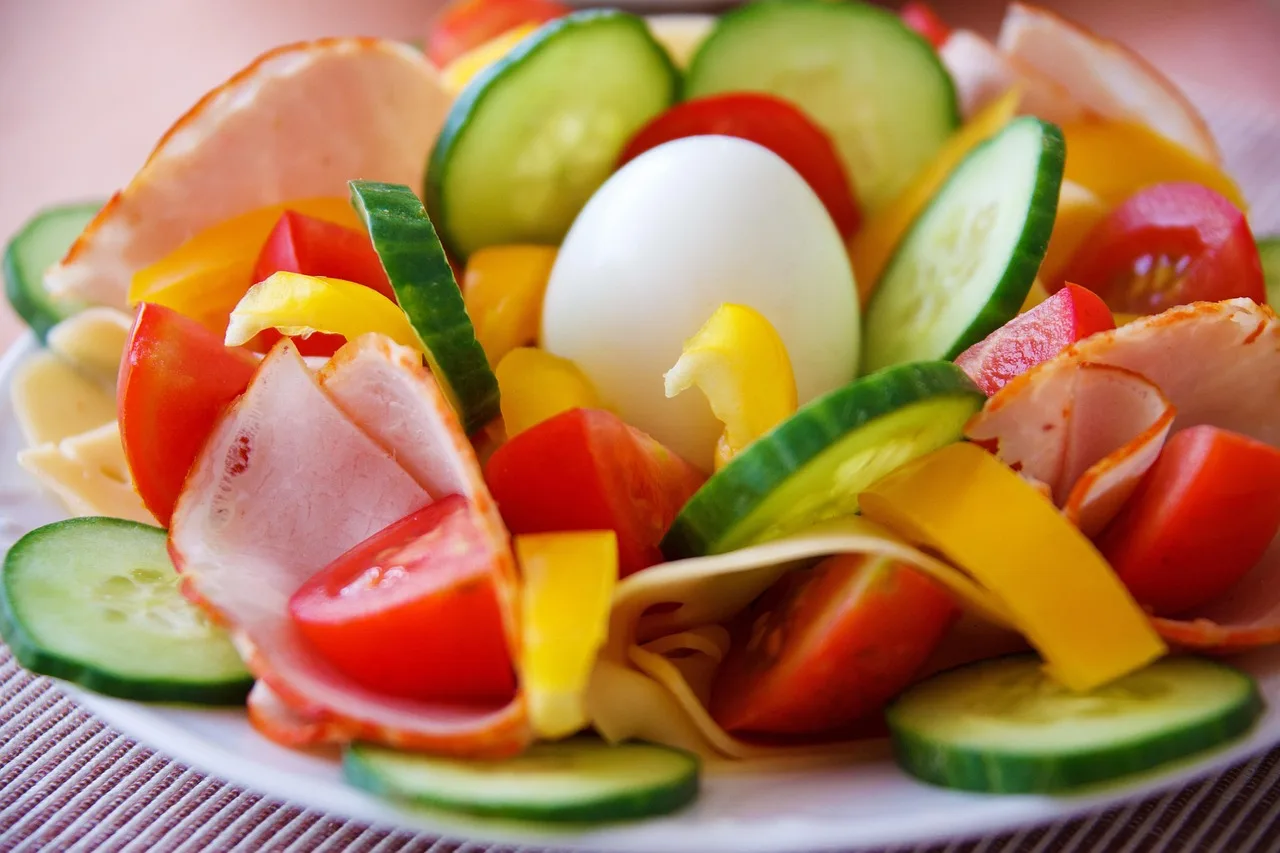
Healthy Lunch Snacks for School: Easy Ideas Kids Eat
Choose school snacks with three parts: protein, fiber, and produce, plus water. Keep portions age-appropriate, and match the snack to allergy rules and school policy. Poor choices can mean missed calories, sugar crashes, food waste, or snacks that get sent back unopened. This guide gives a practical checklist for age, budget, packing, and safe ingredient choices. (UTMB)
This guide is part of our keto mcdonalds lunch series.
Healthy lunch snacks for school work best when they are small, filling, and easy to eat without a mess. The strongest choices combine a slow-burning carb, a protein source, and a fruit or vegetable, then fit the child’s age, appetite, and storage needs.
Healthy school snacks in a nutshell
What makes a school snack work
A school snack works when it is balanced, portable, and realistic for the child who has to eat it. The best options usually include protein, carbs, and a little fat, plus a texture the child can manage and packaging that fits the lunchroom or classroom routine.
Balance the snack, then portion it
Build school lunches with protein, carbs, and vegetables so energy holds steady through the afternoon. Keep portions kid-sized so the snack supports the meal instead of replacing it. For younger children, that often means a few bites of each item; for older children, a larger snack box can still stay compact.
Match the food to age and setting
Toddlers need soft textures, easy-to-chew pieces, and very small portions. Grade-school children often do better with finger foods and dip. Teenagers can usually handle sturdier options like wraps, trail mix, or grain-based boxes. School rules matter too, especially for nut-free classrooms and shared table spaces.
Build in freshness and safety
Use insulated lunch bags and ice packs to keep school lunches fresh and safe. Thermos containers help with hot foods. Airtight containers also slow drying, keep crackers crisp, and reduce leaks that can make a snack unappealing before noon.
How to pack the right snack
A common approach to packing school snacks is to select one protein, one produce item, and one carb or dip, while considering age, allergies, and storage time. If the snack sits unrefrigerated, keep it shelf-stable or pack it cold with an ice pack.
- Pick the base: fruit, vegetables, crackers, whole grains, yogurt, cheese, beans, or a protein-rich leftover.
- Check the environment: use an insulated lunch bag and ice pack for cold foods, or a thermos for warm foods.
- Adjust for the child: choose soft, simple textures for younger children and firmer, more varied options for older children.
- Confirm school rules: avoid prohibited allergens and any foods that are hard to open, share, or clean up.
- Add water: send plain water, or pair the snack with water-rich produce such as grapes, cucumber, melon, or orange segments.
Use bulk prep, leftovers, and no-cook options
Bulk prep saves time when you repeat a few building blocks across the week. Roast vegetables, boil eggs, portion yogurt, wash fruit, and cut crackers or wraps into child-sized pieces in advance. Leftover chicken, rice, meatballs, or pasta can become a lunch snack if cooled quickly and packed cold.
If a 7-year-old refuses a full sandwich but eats separate foods, pack them separately. A small box with whole-grain crackers, cheddar cubes, apple slices, and cucumber sticks gives the same basic balance with less pressure and fewer leftovers.
F1 and F2 point to a wider pattern: plant-based, vegetarian, vegan-friendly, and gluten-free choices can still be portion-conscious and practical. That matters when a school has different rules, because a snack that fits the lunchroom also has to fit the child’s diet.
School snack decision table
This table compares common healthy school snacks by cost, prep time, nutrition, allergy considerations, and likely acceptance by age group. Use it to choose the fastest option that still fits the child’s needs and the school’s rules.
| Snack | Typical cost | Prep time | Nutrition note | Allergy and storage notes | Best age fit | Kid acceptance |
|---|---|---|---|---|---|---|
| Apple slices with sunflower seed butter | Low | 5 minutes | Carbs, fiber, and some fat | Nut-free if seed butter is allowed; pack in a sealed container | Grade school to teen | High |
| Carrot sticks with hummus | Low | 5 minutes | Carbs, fiber, and plant protein | Vegan, gluten-free if the dip is labeled so; keep cold | Grade school to teen | Medium |
| Whole-grain crackers with cheese cubes | Low to medium | 5 minutes | Carbs, protein, and some fat | Contains dairy; pack with ice pack or refrigerated lunch bag | Toddler to teen | High |
| Grapes with yogurt | Low to medium | 5 minutes | Carbs, protein, and hydration support | Cut grapes for younger children; keep yogurt cold | Preschool to teen | High |
| Trail mix with nuts, seeds, and dried fruit | Medium | 10 minutes | Protein, fat, and quick energy | Not suitable for nut-free schools; backpack-friendly for older children | Older children and teens | High |
| Mini whole-grain wrap with turkey or tofu | Medium | 10 minutes | Balanced protein and carbs | Can be dairy-free; keep cold unless using shelf-stable fillings | Grade school to teen | High |
| Cucumber sticks with bean dip | Low | 5 minutes | Hydrating produce with fiber and protein | Vegan and often gluten-free; pack dip separately | Toddler to teen | Medium |
| Unsweetened applesauce pouch | Low | 1 minute | Carbs and hydration, lower protein | Very portable; pair with protein if it is the only snack | Toddler to teen | High |
F3 notes that over 70 healthy school lunch ideas include bento boxes, wraps, meatballs, muffins, and snacks that are easy to prepare and kid-approved. That range matters because repeated formats are easier to pack, while rotating the fillings keeps the box from feeling repetitive.
F7 is a useful option for older children: trail mix with nuts, seeds, and dried fruit is backpack-friendly and nutrient-dense. It is a poor choice where nut bans apply, so the same idea may need a seed-only version or a different snack entirely.
F8 also matters. Variety in snack textures, colors, and flavors keeps kids interested and helps develop healthy eating habits. That can mean crisp cucumbers one day, soft berries the next, and a chewy whole-grain wrap later in the week.
What can go wrong with school snacks?
The most common problems are spoilage, rejection, and allergy mismatches. A snack can be nutritious and still fail if it warms up too long, includes a banned ingredient, or arrives in a form a child will not eat in a noisy lunchroom.
Spoilage and food safety mistakes
Cold foods need cold storage. Use an insulated lunch bag, an ice pack, and airtight containers for items that spoil quickly. Warm foods generally require a thermos container that helps keep them hot enough to remain appetizing and safe until lunch.
A common first-timer mistake is packing yogurt, sliced cheese, and turkey in a paper bag on a warm day. The fix is simple: switch to a cold pack, shorten the unrefrigerated time, or replace those foods with shelf-stable items such as fruit, crackers, and seed butter packets.
Picky-eater pushback
Picky eaters often reject mixed foods because the pieces touch or the texture changes. Pack familiar foods beside one small new item, and keep the dip separate. That lets the child choose how much to try without turning lunch into a standoff.
F9 and F10 are practical here. Apples, berries, and grapes add vitamins, minerals, and fiber, while carrots, cucumbers, and bell peppers paired with dips make nutritious and appealing snacks. If one fruit or vegetable is rejected, rotate to another shape, color, or crunch level.
Allergy and school-rule gaps
Nut-free schools need careful label checks. Gluten-free, vegetarian, vegan, and low-sugar diets need the same attention to ingredient lists and cross-contact risk. F1 and F2 show that many menus can be adapted, but the ingredient list still has to match the child’s classroom rules.
Say your child attends a peanut-free classroom and is tired of the same snack every day. Replace nut butter with sunflower seed butter, keep the fruit the same for a few days, and change the grain base from crackers to a mini wrap or rice cakes. One variable at a time is easier to accept.
What should you pack next week?
Build a repeatable shopping list, then rotate three snack styles through the week: a fresh fruit box, a vegetable-and-dip box, and a protein plus grain box. That gives you speed, variety, and a simple way to match the snack to the child’s age and appetite.
Use a short shopping list
Start with a few flexible staples: apples, grapes, berries, carrots, cucumbers, crackers, whole-grain wraps, hummus, yogurt, cheese, beans, sunflower seed butter, and a low-sugar treat for occasional variety. Keep water bottles clean and ready, since hydration matters as much as the snack itself.
Rotate colors, textures, and flavors
Pack one crunchy item, one soft item, and one juicy item across the week when possible. That keeps meals from feeling repetitive and helps children stay open to new foods. If the child likes dip, use it as a bridge between a known food and a new one.
F4 is the central rule to keep in view: protein, carbs, and vegetables help maintain energy and focus throughout the day. That is the best reason to avoid snack boxes built only from crackers or sweets.
Frequently asked questions
What are healthy lunch snacks for school?
Healthy lunch snacks for school are small portions that combine protein, carbs, and produce, with water on the side. Good examples include fruit with seed butter, crackers with cheese, hummus with vegetables, and yogurt with berries. The best choice also fits the child’s age and the school’s allergy rules.
What are good lunch ideas for school kids?
Good lunch ideas for school kids are foods they can open, eat, and finish without much help. Bento-style boxes, wraps, meatballs, muffins, and snack plates work well when they include a mix of textures and colors. Keep portions kid-sized and pack foods that stay fresh until lunch.
How can I pack nutritious snacks for picky eaters?
Pack one familiar food, one easy protein, and one small new item so the child is not faced with too many changes at once. Keep dips separate, cut food into simple shapes, and use colors or crunch to make the snack look more inviting without adding sugar.
What are easy healthy lunch snacks for school?
Easy healthy lunch snacks for school usually need little or no cooking. Fruit, sliced vegetables, cheese cubes, yogurt, crackers, hummus, and seed butter are fast choices. Leftovers can also work if they are cooled and packed safely in a thermos or insulated lunch bag.
How do I keep school lunches fresh and safe?
Use an insulated lunch bag, at least one ice pack for cold foods, and airtight containers to reduce leaks and warming. Keep perishable foods cold until lunch, and use a thermos for hot foods. If the school day is long or warm, choose more shelf-stable snacks.
What snacks help kids stay focused during school?
Snacks that combine protein, fiber, and carbohydrates help steady hunger between meals. That can mean yogurt with fruit, crackers with cheese, or vegetables with hummus. F6 notes that healthy snacks help manage hunger and improve attention in class by stabilizing blood sugar levels.