Best BBQ Recipes
The best BBQ recipes match the meal you are planning: one main, one sauce style, and one side. Choose quick cooks for weeknights and low-and-slow cuts for groups. Bad picks waste money, dry out meat, and leave vegetarians with weak options or a menu that misses timing. This guide covers dependable meat and vegetarian recipes, sauce pairings, cost comparisons, technique, and what to cook for camping, large groups, or casual entertaining.
This guide is part of our keto mcdonalds lunch series.
This is for home cooks who want a decision-first guide, not a pile of random recipes. It helps most if you need to plan for mixed eaters, limited equipment, or a fixed budget. It leaves out live-fire competition methods, advanced pit management, and recipes that depend on specialty fuel or hard-to-find cuts.
What this BBQ guide covers
Use it by occasion. For a dinner for four, pick a fast chicken-thigh or tofu recipe. For a crowd, choose ribs or pulled pork and add a sauce that can be held warm. For camping, lean on direct grilling, foil packets, and vegetables that cook in 10 to 20 minutes.
BBQ basics you need first
Barbecue here means cooking food with outdoor heat, usually over charcoal, gas, wood, or a smoker. In practical terms, grilling uses higher heat and shorter cooking times, while smoking uses lower heat and more time. A rub is a dry seasoning mix. A brine is salted liquid used before cooking. A glaze is a sauce brushed on near the end. Resting means letting cooked food sit before slicing so juices redistribute.
Those terms matter because they change the method. A rib recipe may use a rub, a smoker, and a glaze. Chicken thighs often need only grilling plus a sauce brush. Vegetables usually need direct heat and a quick finish, not a long smoke.
Tools affect the result. A kettle grill gives strong charcoal flavor and clear hot and cool zones. A gas grill gives faster temperature control. A pellet smoker gives steady low heat with less manual fire management. Long tongs, a thin spatula, a probe thermometer, and a heatproof brush are the main utensils. For doneness, a thermometer is more reliable than color alone.
Main BBQ recipe types compared
Choose recipes by time, budget, and equipment first. Cost varies by region and cut quality, but the table below gives practical ranges for one recipe that serves about 4 to 6 people, or 6 to 8 with sides.
| Recipe type | Typical ingredient cost | Cook time | Equipment needs | Best use case |
|---|---|---|---|---|
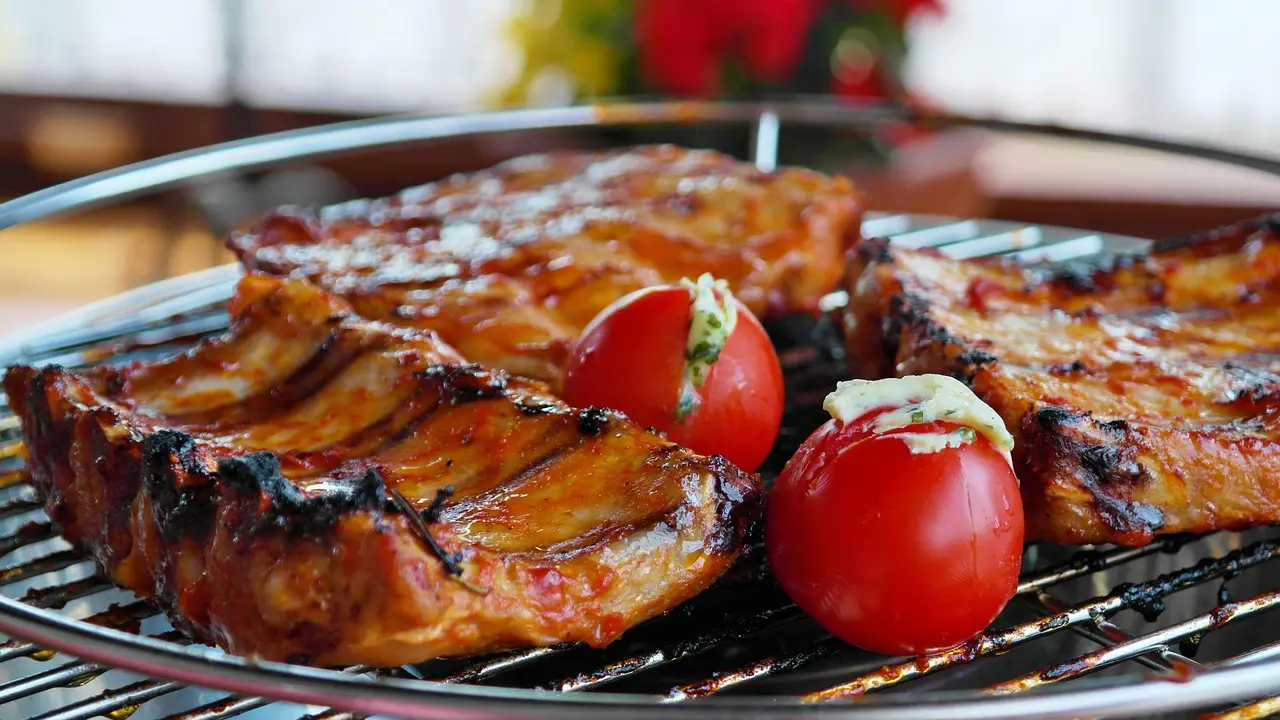
| Pork ribs | Moderate to high | 3 to 5 hours | Grill with lid or smoker, thermometer, foil | Entertaining, weekend cooking, crowd serving |
| Pulled pork | Moderate | 8 to 12 hours | Smoker or covered grill, thermometer, drip pan | Large groups, make-ahead service, sandwiches |
| Chicken thighs | Low to moderate | 25 to 45 minutes | Grill or oven-safe setup, thermometer | Weeknight dinner, mixed crowds, quick service |
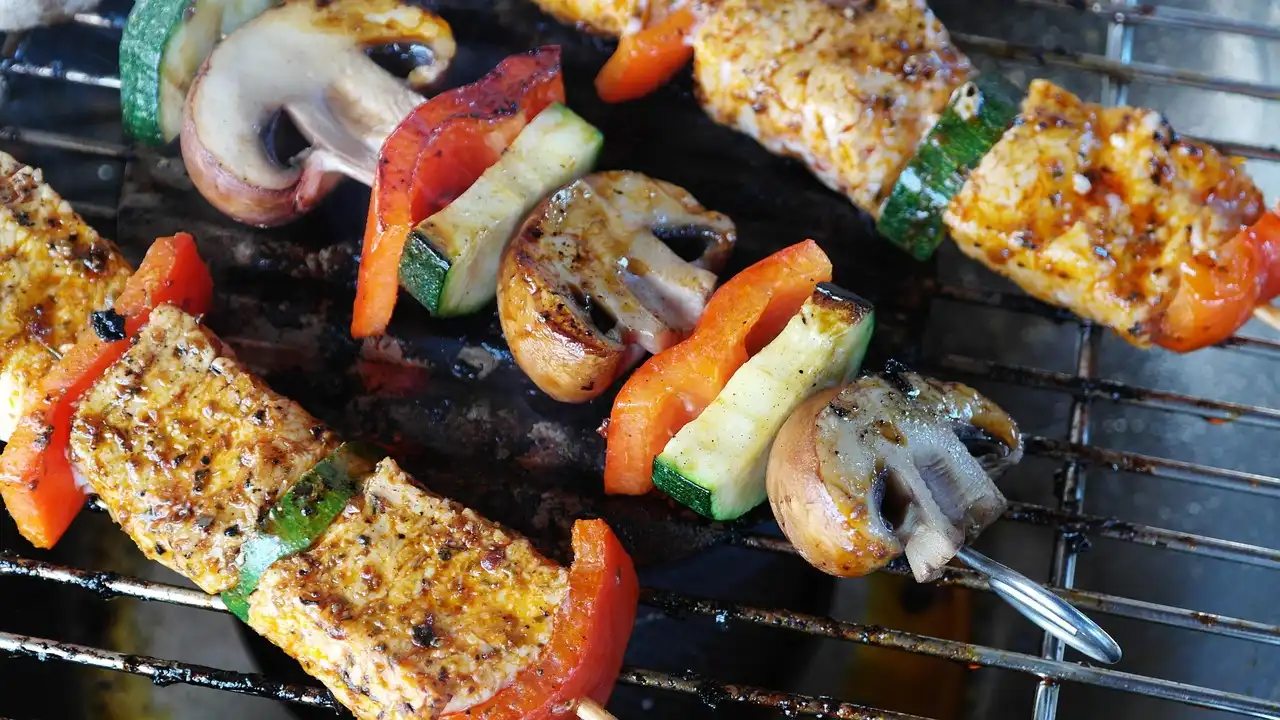
| Halloumi and vegetables | Low to moderate | 10 to 20 minutes | Grill basket or skewers, tongs | Vegetarian menus, side dish, fast entertaining |
| Tofu or mushroom skewers | Low | 15 to 30 minutes | Grill, skewers or basket, brush | Meat-free main, allergen-aware menus |
| Ketchup-free sauce | Low | 10 to 20 minutes | Saucepan, whisk, measuring spoons | Guests who want a cleaner tomato profile or no ketchup |
Meat recipes that carry a crowd
Ribs, pulled pork, and chicken thighs are the most dependable meat options because they take sauce well, hold well, and scale without much extra work. Ribs give the clearest “BBQ” feel and need slower heat. Pulled pork is the best make-ahead choice for sandwiches. Chicken thighs are the most forgiving fast main because dark meat stays juicy longer than breast meat.
Use ribs when you want a centerpiece and have time. Use pulled pork when you need volume and flexibility. Use chicken thighs when the schedule is tight or you need a higher yield per pound.
Meat-free options that still feel like a main
Vegetarian BBQ works best when the food has structure. Halloumi browns well and keeps shape. Tofu takes marinade and needs enough heat to dry its surface before saucing. Portobello mushrooms give a meaty bite and take smoke well in moderate doses. Thick vegetables like corn, cauliflower steaks, peppers, zucchini, and red onions are easier to control than delicate greens.
For mixed menus, keep vegetarian items on a separate tray and brush them with sauce only after cooking if you need to avoid cross-contact with meat drippings.
Sauce styles that fit different cooks
Tomato-based sauce is the common sweet-and-tangy style, usually built from tomato paste or ketchup, vinegar, sugar, mustard, and spices. Vinegar-based sauce is thinner, sharper, and useful on pork. Ketchup-free sauce can use tomato paste, passata, roasted peppers, molasses, vinegar, mustard, and onion for body without bottled ketchup. A mustard sauce suits pork and chicken when sweetness needs to stay low.
For allergen-aware cooking, check labels on Worcestershire sauce, mustard, soy sauce, and spice blends. Some contain gluten, fish, sesame, or mustard seed. If you need a cleaner sauce, keep the base to tomato paste, cider vinegar, honey or maple syrup, garlic powder, onion powder, salt, and smoked paprika.
How do you choose the right BBQ recipe?
Match recipe length to your time, budget, and serving count. If you have under 45 minutes, choose chicken thighs, halloumi, vegetables, or skewers. If you have 3 to 5 hours, ribs are the sweet spot. If you need a main that can wait, pulled pork is the strongest choice. For a crowd of 8 or more, choose a recipe that slices, shreds, or holds without drying out.
Use this simple rule: if the recipe needs more than one hour of active attention and you are serving fewer than six people, choose a faster method unless the cut is the point of the meal. That avoids fuel waste and overcomplicated timing.
| Decision check | Best answer if yes | Why it matters |
|---|---|---|
| You have less than 45 minutes | Chicken thighs, tofu, mushrooms, vegetables | Fast cooking lowers timing risk |
| You need food for 8 or more | Pulled pork or ribs with sides | These scale better and hold heat |
| You only have a basic grill | Direct-grill recipes and foil packets | No smoker required |
| You need vegetarian food | Halloumi, tofu, mushrooms, cauliflower | Better texture than thin vegetables alone |
| You need a sauce without ketchup | Tomato paste or vinegar-based sauce | Preserves control over sweetness and salt |
When to grill, smoke, or skip both
Grill when the food is thin, already tender, or meant to finish quickly. Smoke when the cut has connective tissue and time to spare. Skip both and use a covered grill or oven when weather, fuel, or crowd size makes precision more important than smoke flavor. Camping meals usually work better with direct heat, foil, and short cook times.
A quick fit test for equipment and diet limits
Ask four questions before cooking: does the recipe fit your heat source, does it fit your time, does it fit the diet mix at the table, and can it be served safely hot? If any answer is no, switch the main or the sauce. That is usually cheaper than forcing the wrong recipe to work.
Say your guest list includes two vegetarians, one gluten-free eater, and six meat eaters. A pulled pork main with a separate tofu or halloumi tray, plus a ketchup-free sauce that avoids Worcestershire, is easier to serve cleanly than a single sauce that everyone has to adapt around.
Follow these steps for a better cook
Good BBQ is mostly sequence. Start with the cut or base, season with a clear purpose, control the heat, then rest and serve. That order keeps meat from drying out and keeps vegetables from collapsing before the plate is ready.
Pick the cut or meat-free base. Choose ribs for a long cook, chicken thighs for a short cook, pulled pork for a buffet, or halloumi, tofu, or mushrooms for a vegetarian main. Expected result: the recipe matches the time you actually have.
Season or marinate with a clear goal. Use a dry rub for bark and surface flavor, or a marinade for lean meat, tofu, and mushrooms. Salt early if the cut is thick. Expected result: the food has flavor beyond the sauce.
Set heat zones and control temperature. On a charcoal grill, bank coals to one side for a hot zone and leave one side cooler. On gas, set one burner higher and one lower. For ribs and pork, keep the lid on and use a thermometer. Expected result: you avoid flare-ups and uneven cooking.
Finish, rest, and serve. Brush sauce near the end, not at the start, unless the sauce has no sugar. Rest meat before slicing; chicken thighs need only a short rest, while larger cuts need longer. Expected result: juices stay in the meat and slices hold together.
Tool choices that make the method easier
A probe thermometer is the most useful tool for ribs, chicken thighs, and pulled pork. Long tongs help avoid piercing meat. A foil tray catches drips for pork and vegetables. A grill basket helps with small pieces that would fall through grates. If the setup cannot hold a steady temperature, use shorter cooks instead of trying to force a low-and-slow recipe.
What goes wrong and how to fix it
Most failures come from heat control, sauce timing, or trying to use one recipe for every guest. The fix is usually specific and immediate: move the food, change the lid state, or stop saucing too early.
Dry meat
Symptom: slices feel tough or chalky, especially at the edges. Cause: too much heat, overcooking, or slicing before resting. Fix: use a thermometer, pull chicken thighs when they are done, rest larger cuts, and add sauce after slicing only if the meat needs moisture. For pulled pork, a covered hold in foil helps prevent drying out.
Bitter smoke
Symptom: the food tastes sharp, ashy, or dirty. Cause: smoldering wood, too much smoke, or greasy flare-ups. Fix: use dry wood chunks, keep airflow open, trim excess fat, and stop adding wood once the surface takes color. Thin blue smoke is usually cleaner than thick white smoke.
Sauce burns before the food is done
Symptom: the glaze looks dark or sticky long before the meat reaches temperature. Cause: sugar in the sauce is exposed too early to high heat. Fix: wait until the final stretch to glaze, or use a lower-sugar sauce until the end. Ketchup-free sauces with tomato paste still need late application if they contain sweeteners.
Vegetables turn mushy
Symptom: the pieces slump, split, or lose grill marks. Cause: cut size is too small, heat is too low, or the vegetables sat in marinade too long. Fix: cut thicker pieces, dry the surface before grilling, and use a hotter zone for a shorter time. Mushrooms and onions need less time than cauliflower or corn.
Uneven results in a large batch
Symptom: some pieces finish early while others remain underdone. Cause: mixed sizes, crowded grates, and no rotation plan. Fix: group similar sizes together, rotate trays, and stagger cooking by thickness. For a large crowd, cook in batches and hold finished food warm instead of packing the grill too tightly.
A common first-timer mistake is putting chicken thighs, vegetables, and halloumi on the grill at the same moment because they all seem “quick.” The chicken may need a different heat zone, while the halloumi can be ready in minutes. Staggering the load prevents one item from overcooking while another waits.
How to keep BBQ on schedule
Timing matters most when you are feeding more than a few people. The safest plan is to reduce active steps on the day of the cook and hold food in the right order. That keeps the grill from becoming the bottleneck.
Day-before prep schedule
- Buy and trim meat or vegetables: 1 day ahead.
- Mix rubs and sauces: 1 day ahead.
- Marinate tofu, mushrooms, or chicken: 4 to 24 hours ahead, depending on the recipe.
- Set serving platters, tongs, and foil: before the cook starts.
- Pre-cut sides and garnish: 1 day ahead for salads, slaws, and buns.
Service-day checklist
- Preheat the grill or smoker until the temperature is steady.
- Check fuel before food goes on.
- Keep raw and cooked foods separated.
- Rest meat before slicing.
- Hold cooked food warm, covered, if not serving immediately.
- Brush sauce near the end unless the sauce is low in sugar.
How often to check fuel, temperature, and doneness
Check fuel before the cook starts, then again at the halfway point for long cooks. Check grate temperature every 20 to 30 minutes on a smoker or covered grill. Start checking doneness earlier than you think for chicken thighs and vegetables, then use the thermometer rather than guessing. For large cuts, check only as often as needed to keep the lid closed.
Where to go after this guide
The next step is to narrow the menu to one job. If you want the most direct path, choose a ribs method, a chicken-thigh method, a vegetarian main, a ketchup-free sauce, or a camping menu built for shorter cooks and limited tools.
Best ribs methods
Choose this if you want a centerpiece for a weekend meal or a small crowd. The main decision is whether to smoke low and slow or use a covered grill with foil to control tenderness.
Best chicken thighs methods
Choose this if you need fast, low-risk BBQ with strong flavor. Chicken thighs work well with dry rubs, simple marinades, and direct grilling.
Best vegetarian BBQ recipes
Choose this if the menu needs a real meat-free main rather than a side. Halloumi, tofu, mushrooms, corn, cauliflower, and peppers all work better than a token salad.
Best ketchup-free BBQ sauces
Choose this if you want a tomato sauce without bottled ketchup or if sweetness needs tighter control. Tomato paste, vinegar, mustard, and spices give you a cleaner base.
Best BBQ recipes for camping and large groups
Choose this if timing and equipment are limited. Foil packets, skewers, chicken thighs, vegetables, and make-ahead sauces are the safest tools for that job.
Manage hunger with high-volume snacks
When planning around a low-calorie goal, portion size matters more than calorie count alone. High volume snack options explain why produce- and broth-based foods provide 80 to 200 calories per large serving while keeping protein between 5 and 15 grams. This approach helps prevent the small, expensive snacks that vanish before hunger subsides. The guide compares easy homemade recipes by cost and prep time, specifically addressing needs for kids, athletes, and lower-carb diets to ensure satiety without excessive calorie intake.
Satisfying post-school hunger with balanced options
After school, kids need fuel that bridges the gap to dinner without causing energy crashes. Aiming for 100 to 250 calories with a mix of filling proteins and whole grains or vegetables keeps energy levels steady. This approach prevents the late-afternoon slump that often leads to less healthy choices.
Explore specific pairing strategies and snack comparisons in healthy after-school snacks to find options that fit your child’s appetite. Understanding what makes a snack effective helps you choose meals that support focus and satisfaction until the main meal is ready.
5-minute snacks that keep you on track
Quick snacks can fill the gap between meals without turning into a full cooking project. The supporting guide to easy 5-minute snacks shows simple options like Greek yogurt with fruit, peanut butter toast, hummus with carrots, cheese and whole-grain crackers, and microwave popcorn. It also explains how to build snacks that are more balanced, budget-friendly, and adaptable to different diets.
This matters because a fast, satisfying snack can help you avoid overeating later and keep you from relying on more expensive convenience foods. If you want practical ideas that use common ingredients and take almost no prep, this section points you to a list that is easy to use right away.
Choosing sweet snacks that stay light
If you want something sweet without overdoing calories, the supporting guide explains which low fat sweet snacks actually fit that goal and which ones are mostly marketing. It focuses on options that stay small, keep added sugar in check, and include enough protein or fiber to make them more filling than “fat-free” cookies or candy.
That matters if your goal is weight loss or better appetite control between meals. The article also breaks down common choices like fruit, nonfat yogurt, and applesauce cups so you can pick a snack that satisfies cravings without turning into a hidden dessert. See the full low fat sweet snacks guide for the comparison and practical tips.
Frequently asked questions
What are the best BBQ recipes for a crowd?
The best crowd recipes are pulled pork, ribs, and chicken thighs because they scale well and hold heat without falling apart. Add one vegetarian main, one sauce, and one sturdy side. For 10 or more people, choose a recipe that can be cooked ahead or sliced just before serving.
Which BBQ recipes are best for vegetarians?
Halloumi, tofu, mushrooms, cauliflower, corn, peppers, and zucchini are the most useful vegetarian BBQ choices. The strongest options have structure and browning ability. Tofu works best with a marinade and a hot grate. Halloumi is the easiest high-protein main for mixed menus.
How do I make the best BBQ ribs recipe?
Use a dry rub, steady low heat, and late sauce. Keep the lid closed, watch for a gentle smoke, and check tenderness rather than relying only on time. Ribs are done when the meat has pulled back a little and the rack bends without breaking apart.
What is the best BBQ sauce recipe without ketchup?
A strong ketchup-free sauce can be built from tomato paste, cider vinegar, molasses or honey, mustard, garlic powder, onion powder, paprika, salt, and black pepper. Simmer briefly to thicken. For a thinner style, reduce the sweetener and add more vinegar for a sharper finish.
What are some alternative BBQ ideas beyond traditional meats?
Good alternatives include grilled halloumi, tofu skewers, stuffed mushrooms, cauliflower steaks, corn with chili-lime butter, and vegetable kebabs. These work best when the grill is hot and the pieces are cut thick enough to hold together. They are also easier to adapt for mixed diets.
How can I prepare the best BBQ chicken thighs?
Season chicken thighs with salt, pepper, paprika, garlic, and a little oil, then grill over medium heat until fully cooked and juicy. Thighs forgive more than breast meat, but they still need a thermometer. Sauce in the last few minutes so the sugar does not burn.
What are the best BBQ recipes for summer entertaining?
For summer entertaining, choose recipes that cook in stages and do not need last-second attention: chicken thighs, ribs, grilled vegetables, and make-ahead sauces. Cold sides help balance the menu. The best setup is one main, one vegetarian dish, and one sauce that guests can add themselves.
What are the world’s best BBQ recipes according to experts?
There is no single global winner, because regional styles solve different problems. American ribs, Texas-style brisket, Korean-style grilled meat, Australian snags, and UK barbecue sides all reflect local habits and equipment. The better question is which style fits your fuel, budget, and guest list.