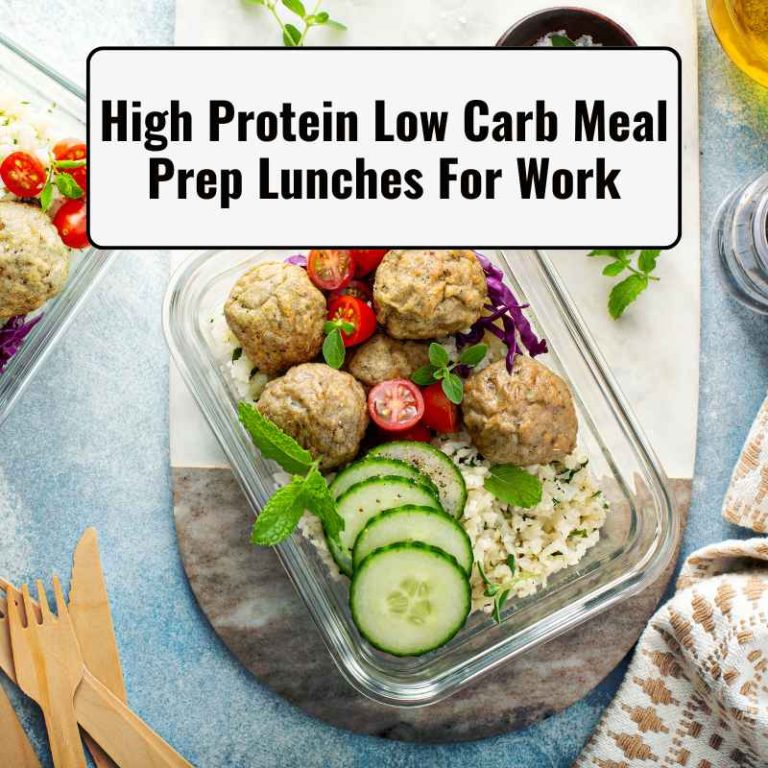
High-Protein Breakfast Ideas: 10 Easy Ways To Stay Full All Morning
Breakfast protein is one of the simplest ways to make your mornings more satisfying, energized, and balanced. A protein-rich breakfast helps curb mid-morning cravings, supports muscle maintenance, and keeps blood sugar steadier than a pastry or sugary cereal. In this guide, you’ll find ten practical high-protein breakfast ideas, plus a complete recipe for High-Protein Spinach and Cottage Cheese Egg Muffins that you can meal-prep once and enjoy all week.
These muffins are savory, fluffy, and lightly cheesy, with tender spinach and a creamy texture from cottage cheese. They are perfect for busy weekdays, post-workout mornings, or a make-ahead brunch. The recipe makes 12 muffins, takes 15 minutes to prep and 22–25 minutes to bake, and works beautifully as a breakfast, snack, or light lunch.tn+1


High-Protein Spinach and Cottage Cheese Egg Muffins
Ingredients
Method
- Preheat oven to 375°F (190°C). Grease a 12-cup muffin tin with olive oil or cooking spray.
- Chop spinach, dice cherry tomatoes, and slice green onions.
- Whisk eggs, cottage cheese, milk, garlic powder, salt, and pepper in a large bowl.
- Stir in spinach, tomatoes, green onions, and 1/3 cup cheddar.
- Divide mixture evenly among muffin cups, filling each about three-quarters full.
- Sprinkle remaining 1/6 cup cheddar over the muffins.
- Bake 22–25 minutes, until centers are set and tops are lightly golden.
- Cool in the pan for 5 minutes, then remove and serve warm or store for meal prep.
Notes
- Store refrigerated in an airtight container for up to 4 days.
- Freeze individually for up to 2 months.
- Reheat refrigerated muffins for 30–45 seconds or frozen muffins for 60–90 seconds.
- Add cooked turkey sausage, ham, or feta for more protein, keeping total fillings to about 1 1/2 cups.
- Serve two muffins with fruit, avocado toast, or Greek yogurt for a larger breakfast.
1. Start With Eggs: The Easiest Breakfast Protein
Eggs remain one of the most reliable sources of breakfast protein because they are affordable, versatile, and quick to cook. One large egg provides more than 6 grams of protein, along with nutrients such as choline, vitamin B12, and healthy fats. Whether you prefer scrambled eggs, boiled eggs, poached eggs, or an omelet, eggs can fit almost any morning routine.goodrx+1
For a balanced plate, pair two eggs with whole-grain toast, avocado, tomatoes, or sautéed vegetables. This combination adds fiber and complex carbohydrates, which help the meal feel more complete and satisfying. If you are short on time, boil a batch of eggs at the beginning of the week and keep them ready in the refrigerator.
A simple egg and avocado breakfast sandwich is another excellent option. Toast whole-grain bread, mash half an avocado with lemon and salt, add a fried or scrambled egg, and finish with black pepper or chili flakes. It takes less than ten minutes and delivers protein, fiber, and healthy fats in one meal.
If you want to increase the protein further, add cottage cheese, shredded chicken, smoked salmon, or a slice of cheese. Eggs also work well in frittatas, breakfast burritos, and muffin-tin recipes, making them ideal for meal prep.medicalnewstoday+1
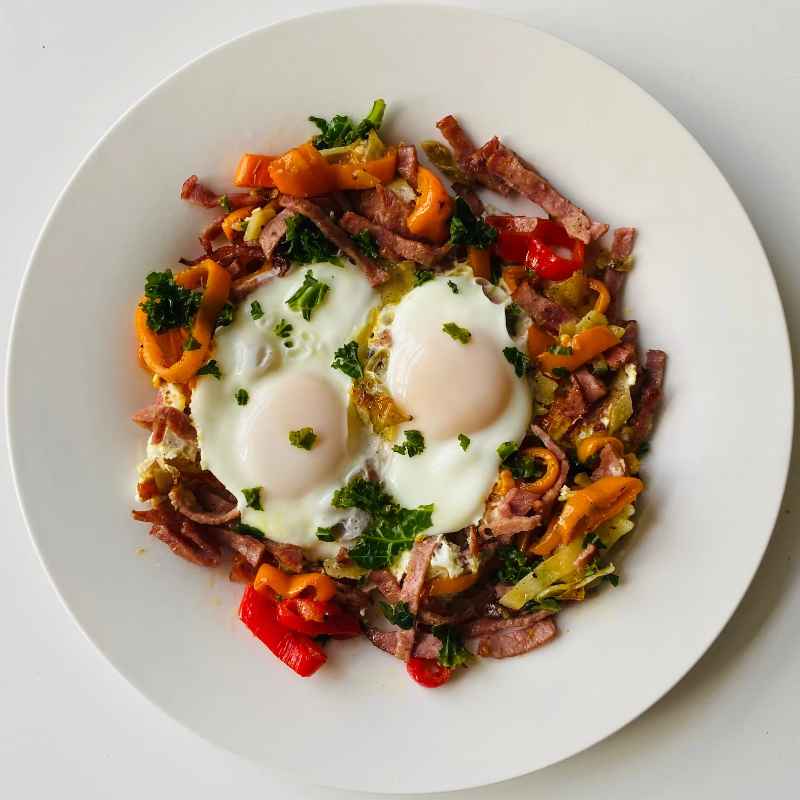
2. Make High-Protein Egg Muffins Ahead of Time
Egg muffins are one of the best make-ahead protein breakfast options for busy people. They bake in a standard muffin tin, store well in the refrigerator, and reheat in minutes. Because you can customize the vegetables, cheese, and protein add-ins, they never need to taste repetitive.tn+1
The basic method is simple: whisk eggs with milk or cottage cheese, stir in vegetables and seasoning, pour the mixture into greased muffin cups, and bake until the centers are set. Most egg muffin recipes bake at around 350–375°F for 15–25 minutes, depending on the size of the muffin cups and the ingredients used.tn+1
For the best texture, avoid overfilling the muffin cups. Fill each cup about three-quarters full so the eggs have room to puff slightly without overflowing. Let the muffins cool for five minutes before removing them, as this helps them firm up and release more easily from the pan.tn
Egg muffins are especially useful for meal prep breakfasts, school mornings, office lunches, and post-gym snacks. Store them in an airtight container for up to four days, or freeze them individually and reheat in the microwave when needed. Their combination of protein and fiber from eggs and vegetables helps keep you full longer.bmc
3. Use Greek Yogurt for a Creamy Protein Boost
Greek yogurt is a standout ingredient for anyone trying to increase breakfast protein without spending much time cooking. A 7-ounce serving of plain nonfat Greek yogurt provides roughly 20 grams of protein, making it an excellent base for bowls, parfaits, and smoothies.verywellhealth
For a quick Greek yogurt breakfast bowl, combine plain Greek yogurt with berries, banana slices, chia seeds, and a small handful of nuts. The fruit adds natural sweetness and fiber, while nuts and seeds contribute healthy fats and extra texture. Choose unsweetened yogurt when possible so you can control the sugar content.
Greek yogurt also works well in savory breakfasts. Mix it with cucumber, dill, garlic, and a pinch of salt for a creamy side that pairs beautifully with eggs or whole-grain toast. You can also use it as a substitute for sour cream in breakfast tacos or burrito bowls.
If you enjoy meal prep, prepare yogurt parfaits in jars the night before. Layer Greek yogurt, oats, fruit, and seeds, then refrigerate overnight. By morning, the oats soften into a creamy, spoonable breakfast that feels indulgent but remains high in protein.health+1
4. Add Cottage Cheese to Sweet and Savory Meals
Cottage cheese is one of the most underrated high-protein breakfast foods. It is mild, creamy, and incredibly flexible, working equally well in sweet bowls, savory toast, pancakes, and baked egg dishes. Because it blends smoothly when whisked or blended, it can also add moisture and richness to recipes.
For a sweet option, top cottage cheese with sliced peaches, berries, cinnamon, and a drizzle of honey. For a savory version, spread it on whole-grain toast and add cherry tomatoes, black pepper, olive oil, and fresh herbs. Both versions take only a few minutes to assemble.
Cottage cheese is especially valuable in egg muffins because it makes the eggs tender while increasing the protein content. In the recipe below, it replaces some of the milk and creates a softer, creamier texture. It also helps the muffins stay satisfying without becoming dry.
If you dislike the texture of cottage cheese, blend it first with a splash of milk until smooth. You can then use it in smoothies, pancake batter, scrambled eggs, or pasta-style breakfast bowls. This makes it an easy way to add protein-rich dairy to meals without changing the flavor too much.
5. Build Protein Oats That Keep You Full
Protein oats are a warm, comforting way to turn a traditional breakfast into a more filling meal. Regular oats contain fiber and slow-digesting carbohydrates, but they are not especially high in protein on their own. Adding Greek yogurt, milk, protein powder, nut butter, or seeds transforms them into a more balanced high-protein breakfast.bhf.org
To make stovetop protein oats, cook rolled oats with milk, then stir in a scoop of protein powder after cooking. Adding protein powder too early can make oats gummy, so wait until the oats are soft and creamy. Finish with banana, berries, cinnamon, or a spoonful of peanut butter.
For overnight protein oats, combine oats, Greek yogurt, milk, chia seeds, and fruit in a jar. Refrigerate overnight, and the oats will soften into a thick, creamy texture. This is an excellent option for people who do not enjoy cooking in the morning.
A useful formula is: half a cup of oats, half a cup of milk, a third of a cup of Greek yogurt, one tablespoon of chia seeds, and fruit or nuts for topping. This creates a balanced breakfast with protein, fiber, and healthy fats. Oats also pair well with eggs on the side if you want an even higher-protein meal.bhf.org
6. Try a Protein Smoothie for Busy Mornings
A protein smoothie is ideal when you need breakfast in under five minutes. It is easy to drink on the way to work, after a workout, or while getting ready in the morning. The key is to include more than just fruit; add a clear protein source so the smoothie actually keeps you full.
Start with a base of milk, unsweetened soy milk, or Greek yogurt. Add frozen banana or berries for sweetness, then include protein powder, cottage cheese, silken tofu, or peanut butter. A handful of spinach blends in easily without dramatically changing the flavor.
For a filling high-protein berry smoothie, blend one cup of frozen mixed berries, one banana, three-quarters of a cup of Greek yogurt, three-quarters of a cup of milk, and one scoop of vanilla protein powder. This creates a creamy, fruity breakfast that can easily provide 25–30 grams of protein, depending on the products you use.
Smoothies are also a smart way to use up ripe bananas, spinach, or leftover yogurt. Keep frozen fruit in the freezer and protein powder in the pantry so you can make a nutritious breakfast even when the refrigerator looks empty. For more staying power, add oats, chia seeds, or nut butter.
7. Choose Whole Grains With Protein-Rich Toppings
Whole grains alone may not provide enough protein, but they create an excellent foundation for a balanced breakfast. Whole-grain toast, oats, quinoa, buckwheat, and whole-grain English muffins provide fiber and steady energy. When paired with protein-rich toppings, they become far more satisfying.bhf.org
Instead of plain toast with jam, try whole-grain toast with cottage cheese and tomatoes, or avocado toast with a fried egg. You can also use whole-grain bread for a breakfast sandwich filled with eggs, cheese, and vegetables. These small upgrades significantly increase the protein content of an ordinary meal.
Quinoa is another useful option, especially for savory breakfast bowls. Cook quinoa ahead of time, then reheat it with black beans, a fried egg, salsa, and avocado. This creates a hearty, protein-rich breakfast that works well for people who prefer something more substantial than toast.
When shopping, look for breads with at least 3–5 grams of protein per slice and a short, recognizable ingredient list. Pairing whole grains with eggs, yogurt, beans, tofu, or nut butter ensures you get both protein and fiber, which supports fullness and steady energy throughout the morning.bhf.org
8. Use Beans and Tofu for Plant-Based Protein
A plant-based breakfast protein does not have to be complicated. Beans, lentils, tofu, tempeh, edamame, and soy milk can all provide substantial protein while adding fiber, minerals, and satisfying texture. These ingredients are especially useful for vegetarian and vegan breakfasts.health+1
Tofu scramble is one of the easiest alternatives to scrambled eggs. Crumble firm tofu into a warm skillet with olive oil, turmeric, garlic powder, onion powder, salt, and black pepper. Add spinach, mushrooms, bell peppers, or nutritional yeast for extra flavor and nutrition.
Black beans are excellent in breakfast burritos, tacos, and savory bowls. Combine warmed black beans with scrambled eggs or tofu, avocado, salsa, and whole-grain tortillas. This meal is filling, affordable, and easy to prepare in batches.
For a lighter option, add edamame to a grain bowl or blend silken tofu into a smoothie. Soy milk can also replace dairy milk in oats, coffee, and smoothies. The goal is not to make every breakfast complicated; it is simply to include one reliable plant protein source each morning.health+1
9. Prep Breakfast Burritos for Grab-and-Go Mornings
Breakfast burritos are one of the most practical high-protein meal-prep options. They combine eggs or tofu, beans, vegetables, cheese, and whole-grain tortillas into a portable meal you can reheat in minutes. They are especially helpful for commuters, students, and anyone who tends to skip breakfast.
To build a balanced burrito, start with scrambled eggs or seasoned tofu. Add black beans, sautéed peppers and onions, spinach, and a modest amount of cheese. Wrap the filling tightly in a whole-grain tortilla, then refrigerate or freeze the burritos individually.
When reheating from the refrigerator, microwave for about 60–90 seconds. Frozen burritos usually need 2–3 minutes, turning halfway through for even heating. Let them rest for a minute before eating so the filling does not burn your mouth.
Burritos are also easy to customize. Use salsa and avocado for a fresh version, or add roasted sweet potatoes for extra fiber. Because they contain protein, fiber, and healthy fats, breakfast burritos can keep you satisfied for hours and reduce the temptation to snack before lunch.goodrx
10. Aim for 25–30 Grams of Protein at Breakfast
If you want a simple target, aim for roughly 25–30 grams of protein at breakfast. This amount can be particularly helpful for appetite control and may support better food choices throughout the day. You do not need to hit this number perfectly every morning, but it gives you a useful benchmark when planning meals.goodrx
The easiest way to reach this target is to combine two protein sources. For example, pair Greek yogurt with nuts, eggs with cottage cheese, or tofu scramble with soy milk. Adding vegetables and whole grains rounds out the meal with fiber, vitamins, and minerals.
Here is a quick reference table for building a high-protein breakfast plate:
| Ingredient | Typical Protein Contribution | Best Way To Use It |
|---|---|---|
| 2 large eggs | About 12–13 g | Scrambled, boiled, poached, or baked into muffins goodrx+1 |
| 3/4 cup Greek yogurt | About 15–20 g | Parfaits, smoothies, savory bowls verywellhealth |
| 1/2 cup cottage cheese | About 12–14 g | Toast, egg muffins, sweet bowls |
| 1 scoop protein powder | About 20–25 g | Smoothies, oats, pancake batter |
| 1/2 cup black beans | About 7–8 g | Burritos, breakfast bowls, tacos |
| 1/2 cup firm tofu | About 10–12 g | Tofu scramble, breakfast bowls |
| 2 tablespoons peanut butter | About 7–8 g | Toast, oats, smoothies |
A practical example is two egg muffins, Greek yogurt with berries, and a handful of almonds. This combination provides protein from multiple sources and feels more interesting than eating the same food every day. Consistency matters more than perfection, so choose options you genuinely enjoy.
High-Protein Spinach and Cottage Cheese Egg Muffins
These High-Protein Spinach and Cottage Cheese Egg Muffins are the centerpiece recipe of this post. They are savory, soft, and lightly golden on top, with a creamy interior from cottage cheese and a fresh flavor from spinach and green onions. Each batch makes 12 muffins, or 6 servings of 2 muffins each.
They take 15 minutes to prep, 22–25 minutes to bake, and about 5 minutes to cool. They are best enjoyed warm, but they are equally delicious at room temperature, making them ideal for meal prep, brunch, lunchboxes, and on-the-go breakfasts.tn+1
Frequently Asked Questions (FAQs)
How much protein should I eat at breakfast?
Many people benefit from aiming for 25–30 grams of protein at breakfast. This amount can help support fullness and appetite control, though individual needs vary based on body size, activity level, and health goals.goodrx
Are egg muffins good for meal prep?
Yes. Egg muffins are excellent for meal prep because they bake in batches, store well, and reheat quickly. Keep them refrigerated for up to four days or freeze them for longer storage.tn+1
What is the best protein for breakfast besides eggs?
Great egg-free options include Greek yogurt, cottage cheese, tofu, protein powder, nuts, seeds, beans, and soy milk. Greek yogurt and tofu are especially convenient for quick breakfasts.verywellhealth+2
Can I make high-protein breakfasts without protein powder?
Absolutely. Eggs, Greek yogurt, cottage cheese, milk, tofu, beans, nuts, and seeds can easily create a protein-rich breakfast without supplements. Whole foods also add fiber, vitamins, and more satisfying texture.webmd+1
How long do homemade egg muffins last?
Homemade egg muffins usually last 3–4 days in the refrigerator when stored in an airtight container. For the best texture, reheat them briefly rather than eating them straight from the refrigerator.tn
Can I freeze breakfast egg muffins?
Yes. Cool the muffins completely, wrap them individually, and freeze for up to two months. Reheat from frozen in the microwave for about 60–90 seconds, depending on your microwave.
Conclusion
A stronger morning does not require an elaborate meal; it simply requires a little more breakfast protein. Eggs, Greek yogurt, cottage cheese, tofu, beans, oats, and smoothies all make it easier to build meals that keep you full, focused, and less likely to reach for sugary snacks before lunch.goodrx+1
Start with one idea that fits your routine, such as the High-Protein Spinach and Cottage Cheese Egg Muffins above. Bake a batch on Sunday, store them in the refrigerator, and you will have a warm, savory breakfast ready for several busy mornings. Save this post, try one recipe this week, and explore more easy high-protein breakfast ideas to keep your mornings delicious and energized.