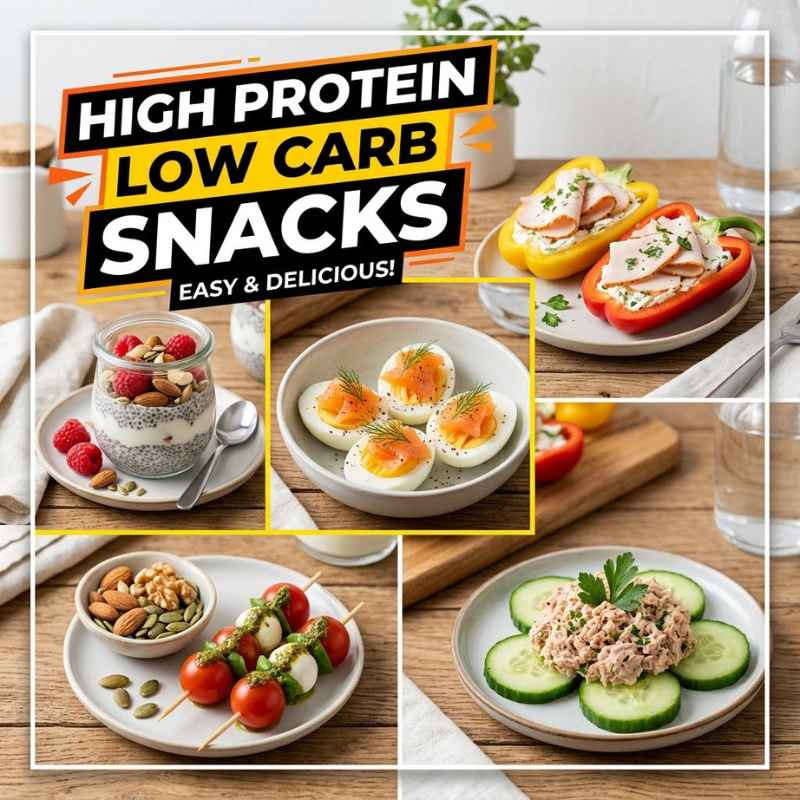
High protein low carb snacks are a fantastic way to stay fueled, manage hunger, and support your fitness goals without derailing your dietary plan. Whether you’re following a ketogenic diet, a low-carbohydrate lifestyle, or simply looking for healthier options, these snacks offer a satisfying crunch and sustained energy. This post will guide you through the best choices, making it easier than ever to find delicious and convenient snacks that fit your needs.
Simply put, high protein low carb snacks are nutrient-dense, satisfying options that help curb hunger and support metabolic health by minimizing carbohydrate intake and maximizing protein for satiety and muscle support.
High protein low carb snacks are crucial for sustained energy and hunger management on low-carb diets.
Prioritize whole food sources like nuts, seeds, eggs, and jerky for optimal nutrition.
Read labels carefully to avoid hidden sugars and excessive carbohydrates in processed options.
Combining protein with healthy fats enhances satiety and nutrient absorption.
Portion control is essential even with healthy snacks to manage calorie intake.
What Are High Protein Low Carb Snacks?
High protein low carb snacks are foods specifically chosen for their significant protein content and minimal carbohydrate load. The primary goal of these snacks is to provide a feeling of fullness, support muscle maintenance and growth, and help regulate blood sugar levels. Unlike traditional snacks high in refined sugars and starches, these options offer a more stable energy release, preventing the sharp spikes and crashes often associated with carb-heavy choices.
The ideal ratio for these snacks typically involves a higher percentage of protein and healthy fats, with carbohydrates kept to a minimum, often below 5-10 grams per serving. This macronutrient profile is particularly beneficial for individuals managing weight, athletes, or those with specific health conditions requiring careful carbohydrate monitoring. The satiety effect of protein is well-documented, meaning you feel fuller for longer, which can naturally lead to reduced overall calorie intake.
Understanding the nutritional makeup of your snacks is key. Many packaged “low-carb” items can still contain surprising amounts of sugar or unhealthy additives. Focusing on whole, unprocessed foods ensures you’re getting the most nutritional bang for your buck, along with essential vitamins and minerals that support overall well-being.
Protein sources help in muscle repair and building.
Low carb content prevents blood sugar spikes.
Healthy fats contribute to satiety and energy.
Essential for ketogenic and other low-carbohydrate diets.
Supports stable energy levels throughout the day.
Helps in effective weight management strategies.
Rich in various micronutrients like vitamins and minerals.
Nutty Delights: Almonds, Walnuts, and Macadamias
Nuts are nature’s perfect portable snack, offering a potent combination of protein, healthy fats, and fiber, all while being exceptionally low in carbohydrates. Almonds, walnuts, and macadamia nuts are particularly excellent choices. Almonds are packed with vitamin E and magnesium, walnuts provide omega-3 fatty acids crucial for brain health, and macadamia nuts are prized for their monounsaturated fats and creamy texture.
Incorporating a handful of these nuts into your daily routine can significantly boost your nutrient intake and keep hunger pangs at bay. They are versatile; you can eat them plain, lightly roasted, or even as part of a trail mix. However, it’s important to be mindful of portion sizes, as nuts are calorie-dense.
A standard serving is typically around one ounce (about 1/4 cup).
When choosing nuts, opt for raw or dry-roasted varieties without added salt, sugar, or unhealthy oils. Flavored nuts can often contain hidden sugars or artificial ingredients that detract from their health benefits. Reading the nutrition label is crucial to ensure you’re sticking to your low-carb goals.
For instance, while generally low-carb, some nuts like cashews can have a slightly higher carb count than others.
This table highlights how consistently low in carbohydrates and good in protein nuts can be, making them a staple for low-carb snacking.
Best enjoyed in moderation due to calorie density.
Choose unsalted and unflavored varieties.
Walnuts are excellent for brain health.
Almonds offer a significant boost of Vitamin E.
Macadamias are the lowest in carbs among popular nuts.
Combine with seeds for a broader nutrient profile.
Tip: Portion your nuts into small bags or containers to prevent overeating. Pre-portioned snacks make it easy to grab and go.
Egg-cellent Choices: Hard-Boiled Eggs
Hard-boiled eggs are a champion of high protein low carb snacks, offering nearly perfect nutrition. They are incredibly convenient, portable, and provide a substantial amount of high-quality protein and essential nutrients with virtually no carbohydrates. One large egg contains about 6 grams of protein and less than 1 gram of carbohydrate, making it an ideal choice for any low-carb diet.
Eggs also boast a rich profile of vitamins and minerals, including vitamin D, B vitamins, selenium, and choline, which is vital for brain health. Their versatility is another major advantage. You can boil a batch at the beginning of the week and have them ready for a quick snack anytime.
Season them with salt, pepper, or even a dash of hot sauce for a flavorful kick.
For an extra boost of healthy fats, you can enjoy them with a sprinkle of Everything Bagel seasoning or a small dollop of avocado. While a whole egg is recommended for its nutrient density, egg whites are almost pure protein and can be a good option if you are looking to reduce fat intake further, though they lack many of the vitamins found in the yolk.
Nutritional Breakdown of a Large Egg
Calories: ~70
Protein: ~6g
Carbohydrates: ~0.6g
Fat: ~5g (mostly healthy monounsaturated and polyunsaturated fats)
Vitamins: A, D, E, K, B vitamins (including B12, folate, riboflavin)
Minerals: Selenium, Phosphorus, Iron, Zinc
Choline: Essential for brain function and cell membrane integrity.
The simplicity and nutritional completeness of hard-boiled eggs make them an indispensable snack for anyone focusing on protein and low carbohydrate intake.
Important: Ensure eggs are stored in the refrigerator and consumed within a week for optimal freshness and safety.
Cheesy Goodness: String Cheese and Hard Cheeses
Cheese is a fantastic source of protein and fat, making it a go-to snack for those on a low-carb diet. Varieties like string cheese, cheddar, mozzarella, and gouda are all naturally very low in carbohydrates. A single stick of string cheese, for example, provides around 7-8 grams of protein and a satisfyingly creamy texture that can help curb cravings.
Hard cheeses, in particular, tend to have a lower moisture content and a more concentrated flavor, meaning a smaller portion can be very satisfying. They are also generally lower in lactose (a type of sugar) compared to softer cheeses. This makes them an excellent option for those who are sensitive to dairy or simply looking to keep their carb count as low as possible.
Pairing cheese with a few low-carb crackers or a handful of nuts can create a more substantial and balanced snack. However, it’s important to be aware of the calorie density of cheese. While it’s low in carbs, it is high in fat and calories, so mindful consumption is key, especially if weight management is a primary goal.
Cheese Type
Serving Size
Approx. Carbs
Approx. Protein
Approx. Fat
String Cheese (Part-Skim Mozzarella)
1 stick (28g)
<1g
7g
5g
Cheddar Cheese
1 oz (28g)
<1g
7g
9g
Gouda Cheese
1 oz (28g)
<1g
6.5g
8g
This data demonstrates that cheese is an excellent protein and fat source with negligible carbohydrates, perfect for low-carb diets.
Excellent source of calcium.
High in protein and healthy fats.
Virtually carb-free, ideal for keto.
Convenient grab-and-go options available.
Pair with low-carb vegetables for added nutrients.
Be mindful of portion sizes due to calorie density.
Savory Bites: Beef, Turkey, and Fish Jerky
Jerky is a classic high protein low carb snack that has been enjoyed for centuries. Made from dried and cured meats, it’s a concentrated source of protein with very few carbohydrates. Look for jerky that is made from lean cuts of meat and is free from added sugars, high-fructose corn syrup, or other sweet marinades that can significantly increase the carb count.
Beef jerky, turkey jerky, and even fish jerky (like salmon or tuna jerky) are all excellent options. When selecting jerky, always check the nutrition label. Some brands add significant amounts of sugar or maltodextrin, which can turn a potentially low-carb snack into a high-carb one.
Opt for brands that list simple ingredients like meat, salt, pepper, and natural spices.
Jerky is incredibly convenient for travel, hiking, or just a quick bite at your desk. Its shelf-stable nature makes it a pantry staple. Beyond simple dried meat, consider jerky alternatives like biltong, which is a South African dried meat snack often cured with vinegar and spices, making it inherently lower in sugar and often leaner than traditional jerky.
Choosing the Right Jerky: What to Look For
Meat Type: Lean meats like beef, turkey, or venison are preferred.
Sugar Content: Aim for less than 3-5 grams of sugar per serving.
Sodium: Jerky can be high in sodium, so be mindful if you have blood pressure concerns.
Ingredients: Look for minimal, recognizable ingredients. Avoid artificial preservatives and flavorings.
Carbohydrate Count: Target less than 5 grams of carbs per serving.
Following these guidelines helps ensure your jerky is a healthy, high-protein, low-carb choice.
Warning: Some jerky products can be very high in sodium. If you are monitoring your sodium intake, read labels carefully or opt for lower-sodium versions.
Mediterranean Flavors: Olives and Feta
Olives and feta cheese offer a delightful combination of healthy fats, a bit of protein, and very few carbohydrates, making them a quintessential high protein low carb snack. Olives are rich in monounsaturated fats, which are beneficial for heart health, and they contain antioxidants. Feta cheese, a brined curd cheese made from sheep’s milk or a mixture of sheep and goat’s milk, provides a good source of protein and calcium with a distinct salty flavor.
This pairing is not only delicious but also incredibly simple to prepare. You can enjoy a small bowl of your favorite olives (Kalamata, green, black) alongside a few cubes of feta. For an added flavor boost, consider drizzling a tiny amount of olive oil and a sprinkle of dried oregano over the feta and olives.
This snack is particularly satisfying for those who enjoy savory and slightly tangy tastes.
When buying olives, look for options packed in brine or water rather than oil, which can sometimes add unwanted calories or processing. Similarly, choose plain feta cheese and avoid flavored varieties that might contain hidden sugars or starches. The natural saltiness of both olives and feta means you often don’t need additional seasoning, keeping the carb count reliably low.
Nutritional Snapshot: Olives & Feta (per 1 oz serving)
Combined: A great source of healthy fats, moderate protein, and very low net carbohydrates.
This snack is light yet satisfying, perfect for an afternoon pick-me-up.
Seaweed Snacks and Canned Fish
For a truly unique and nutrient-dense high protein low carb snack, consider roasted seaweed snacks and canned fish like sardines or tuna. Roasted seaweed sheets are incredibly low in calories and carbs, offering a crisp texture and a savory, umami flavor. They are also a good source of iodine, essential for thyroid function.
Canned fish, especially sardines packed in olive oil or water, is a powerhouse of protein, omega-3 fatty acids, vitamin D, and calcium. It requires no preparation and can be eaten straight from the can, perhaps with a few whole-grain low-carb crackers or a side of olives. Tuna, especially in water, is another excellent protein source, though it typically contains lower levels of omega-3s than sardines.
Combining these two options creates a snack that is both satisfyingly crunchy and rich in healthy fats and essential minerals. When choosing canned fish, avoid varieties packed in sauces or heavy oils that might contain added sugars or unhealthy fats. Opt for simple preparations like water or olive oil.
For seaweed snacks, check the ingredient list for added flavorings or oils that might increase carb content.
Nutritional Highlights:
Seaweed Snacks: High in iodine, very low carb, virtually no protein or fat.
Sardines (in olive oil): Excellent source of protein, omega-3s, vitamin D, calcium.
Tuna (in water): Good protein source, lean, low in fat.
These unconventional snacks are packed with nutrients and fit perfectly into a low-carb lifestyle.
Frequently Asked Questions
What are the best high protein low carb snacks for weight loss?
The best high protein low carb snacks for weight loss are those that are satiating and nutrient-dense. Options like hard-boiled eggs, nuts (in moderation), cheese, jerky (sugar-free), and canned fish provide ample protein and healthy fats that keep you feeling full, thereby reducing overall calorie intake and curbing cravings.
Can I eat fruit as a high protein low carb snack?
Most fruits are high in carbohydrates due to their natural sugars. While some fruits like berries (raspberries, blueberries, strawberries) are lower in carbs and can be enjoyed in small quantities, they are not typically considered primary “high protein” snacks. You would need to pair them with a protein source like Greek yogurt or nuts to make them a balanced high-protein option.
How much protein is considered “high protein” for a snack?
For a snack, “high protein” generally means it contains at least 7-10 grams of protein per serving. This amount is significant enough to contribute to satiety and meet your daily protein goals without being a full meal. Many of the snacks discussed, like cheese sticks and jerky, easily meet or exceed this target.
Are there any ready-made high protein low carb snacks available?
Yes, there are many convenient ready-made options. Look for protein bars with low net carbs (under 10g), sugar-free jerky, individual cheese portions, hard-boiled eggs sold in packs, and pre-portioned nut mixes. Always check the nutrition labels carefully for hidden sugars and total carbohydrate content.
What is the role of fat in high protein low carb snacks?
Fat plays a crucial role in high protein low carb snacks by enhancing satiety and providing sustained energy. Healthy fats, found in nuts, seeds, cheese, and fatty fish, help slow down digestion, further contributing to feelings of fullness and preventing hunger between meals. They also help your body absorb fat-soluble vitamins.
Final Thoughts
Incorporating high protein low carb snacks into your diet is a smart strategy for sustained energy, hunger management, and supporting your health goals. By focusing on nutrient-dense whole foods like nuts, eggs, cheese, and jerky, you can easily find satisfying options that align with your dietary needs. Remember to always read labels and be mindful of portion sizes to make the most of these beneficial snacks.