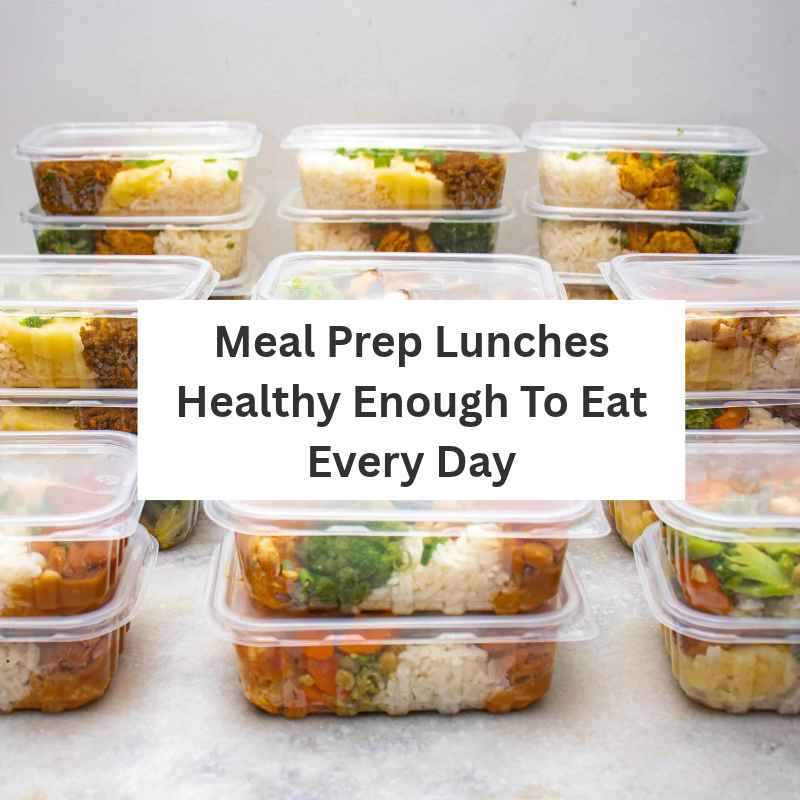
Meal Prep Lunches Healthy Enough To Eat Every Day
Healthy meal prep lunches are balanced, nutritious meals prepared in advance to be eaten regularly throughout the week. They focus on whole foods, lean proteins, healthy fats, and complex carbohydrates. The goal is to make healthy eating convenient and enjoyable, reducing the temptation for less healthy options during busy weekdays.
Understanding What Makes a Lunch “Healthy Enough to Eat Every Day”
What makes a lunch truly sustainable? It’s more than just counting calories. It’s about a mix of things.
Your body needs good fuel. Your taste buds need pleasure. Your busy schedule needs convenience.
Think of it as a three-legged stool. All parts must be strong.
First, nutrition is key. This means getting enough protein. It means healthy fats are present.
Complex carbs give you energy. Vitamins and minerals are also vital. Your body needs these to work well.
It helps you feel good all afternoon. It stops that mid-afternoon slump. Without good nutrition, you’ll feel tired.
You might crave sugary snacks.
Second, flavor and variety matter a lot. Eating the exact same thing daily is hard. Your brain needs new stimuli.
Even small changes can help. Think about different herbs. Try new spices.
Add a different sauce. This keeps your palate interested. It stops you from feeling deprived.
When food is boring, we stop eating it. We look for something else.
Third, ease and practicality are crucial. If prep takes hours each night, it won’t happen. The meals must be easy to pack.
They should travel well. They should also reheat nicely or be good cold. This convenience is what makes it work.
It removes barriers to healthy eating. When lunch is ready, you just grab and go.
So, “healthy enough to eat every day” means a lunch that feeds your body well. It also feeds your soul. And it fits into your real life.
It’s a balance that works for you. It’s not about perfection. It’s about consistency.
My Own Lunchtime Wake-Up Call
I remember a time. It was a few years ago. My work was really piling up.
Deadlines were everywhere. I was living on convenience food. Lunches were often a sad sandwich.
Or sometimes just a bag of chips. Maybe a microwave meal I grabbed from the store. I felt sluggish by 2 PM.
My focus drifted away easily. I was also gaining weight. It wasn’t a good feeling at all.
One Tuesday, I felt particularly drained. I stared at my sad desk lunch. It was a dry turkey sandwich.
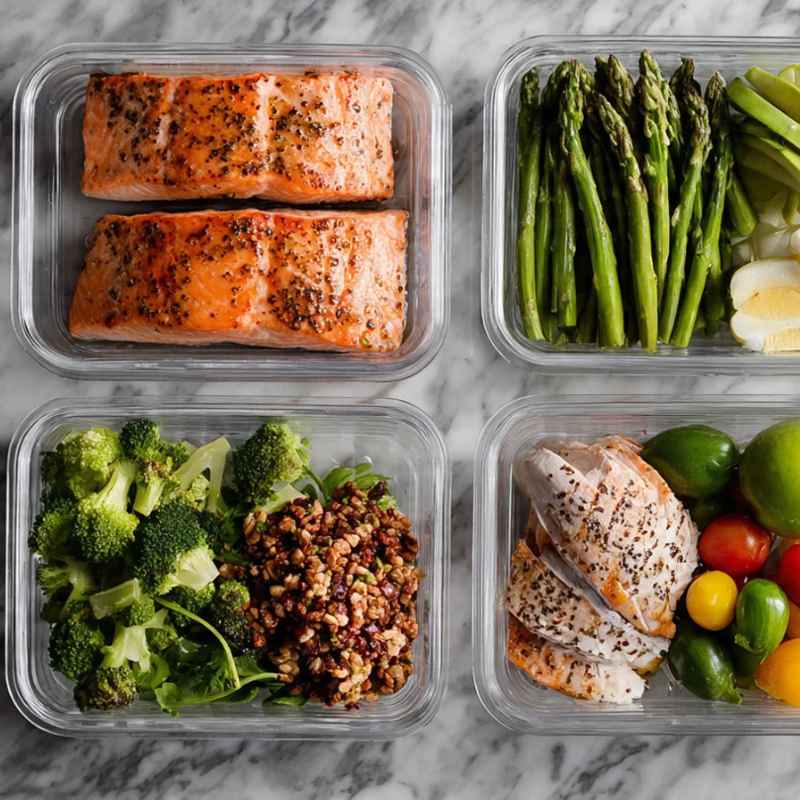
I sighed. Then, I saw a colleague. She pulled out this vibrant bowl.
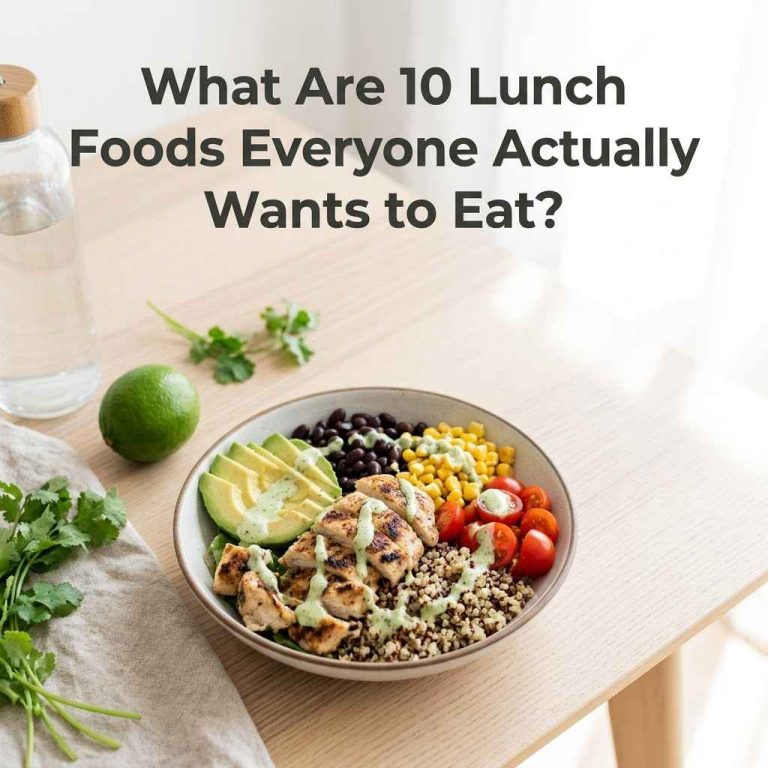
It had colorful veggies. There was grilled chicken. It looked amazing.
I asked her about it. She smiled. She said, “Oh, this?
I made it Sunday afternoon. It’s my lunch prep.”
That was it. A lightbulb went on. I realized I was making it too hard.
I thought meal prep meant boring food. Or it meant spending my whole weekend cooking. But seeing her lunch showed me otherwise.
It looked fresh. It looked delicious. And it was clearly easy for her.
That moment was a turning point for me. I decided to try meal prepping seriously. It took some trial and error.
But soon, my lunches were something I looked forward to.
The Building Blocks of a Great Meal Prep Lunch
Let’s break down how to build those great lunches. We need to think about the main parts of a meal. Each part plays a role.
They work together for balance and taste.
1. Lean Proteins: Your Energy Source
Proteins are essential. They keep you full longer. They help build and repair your body.
They also give you steady energy. This means no sugar crashes.
- Chicken Breast: Very versatile. Bake it, grill it, or poach it. Shredded chicken is great in salads or bowls.
- Turkey Breast: Similar to chicken. Good for sandwiches or salads.
- Lean Beef: Ground beef or steak strips. Use sparingly for variety.
- Fish: Salmon or tuna are excellent choices. Rich in omega-3s.
- Eggs: Hard-boiled eggs are easy snacks or additions.
- Tofu/Tempeh: Great plant-based options. They soak up flavors well.
- Lentils/Beans: Black beans, chickpeas, or kidney beans. They add fiber too.
Cook a big batch of your chosen protein at the start of the week. This saves so much time.
2. Complex Carbohydrates: Sustained Power
Carbs get a bad rap. But complex carbs are different. They give you long-lasting energy.
They also have fiber. Fiber is good for digestion. It helps you feel full.
- Quinoa: A complete protein and carb. Cooks fast.
- Brown Rice: A classic choice. Great with stir-fries or curries.
- Sweet Potatoes: Roasted sweet potato cubes are delicious.
- Whole Wheat Pasta/Bread: Choose 100% whole grain.
- Oats: Not just for breakfast. Can be part of a savory bowl.
- Barley: Chewy and filling. Good in soups or grain bowls.
Make sure to cook these ahead of time. Let them cool before storing. This helps prevent sogginess.
3. Healthy Fats: For Brain and Satisfaction
Fats are not the enemy. Healthy fats are good for your brain. They help your body absorb vitamins.
They also make meals satisfying. They add richness.
- Avocado: Creamy and delicious. Add slices just before eating if possible.
- Nuts and Seeds: Almonds, walnuts, chia seeds, flax seeds. Sprinkle on top.
- Olive Oil: Use it for dressings or roasting vegetables.
- Olives: Add a briny flavor.
- Nut Butters: Peanut butter, almond butter. Good with fruit or on toast.
Portion control is key with fats. They are calorie-dense. But a little goes a long way.
4. Vegetables and Fruits: Color and Nutrients
This is where you get your vitamins. And fiber! Plus, they add amazing color.
Color makes food look appealing. It makes it taste better.
- Leafy Greens: Spinach, kale, romaine. Great bases for salads.
- Broccoli and Cauliflower: Roast them for a sweet, tender texture.
- Bell Peppers: Crunchy and colorful. Add raw or roasted.
- Carrots: Raw sticks or roasted rounds.
- Tomatoes: Cherry tomatoes are easy to add.
- Berries: Strawberries, blueberries. Sweet and full of antioxidants.
- Apples and Pears: Good whole or sliced.
- Oranges: Juicy and refreshing.
Try to include a variety of colors. This ensures a wide range of nutrients.
Quick-Scan Lunch Component Guide
Protein: Chicken, Fish, Beans, Tofu
Carbs: Quinoa, Brown Rice, Sweet Potato
Fats: Avocado, Nuts, Olive Oil
Veggies: Broccoli, Spinach, Bell Peppers
Fruits: Berries, Apples, Oranges
Making Your Meal Prep Lunches Exciting (Not Boring!)
This is the part people worry about. “Will I get tired of eating the same thing?” The answer is yes, if you don’t plan for variety. But there are simple ways to fix this.
1. Flavor Boosters: Sauces, Spices, and Herbs
This is your secret weapon. A plain grilled chicken breast is fine. But it’s amazing with a lemon-herb sauce.
Or a spicy peanut dressing.
- Dressings: Vinaigrettes, tahini dressing, yogurt-based sauces. Make a big batch and portion it out.
- Spices: Cumin, paprika, chili powder, curry powder. They transform simple ingredients.
- Herbs: Fresh or dried. Cilantro, parsley, basil, rosemary. Add brightness.
- Marinades: Marinate your protein before cooking.
Keep a few favorite dressings on hand. Rotate them weekly. This adds a new taste profile.
2. Textural Contrast
Monotony can come from texture. If everything is soft, it’s boring. Mix soft with crunchy.
- Nuts and Seeds: Add a crunch to salads or grain bowls.
- Crispy Vegetables: Raw bell peppers or cucumber sticks.
- Croutons: Whole wheat croutons add nice texture.
- Crispy Chickpeas: Roast them until they are crunchy.
This simple change makes meals more engaging. You can feel the difference.
3. Theme Your Weeks
Instead of just “chicken and rice,” try themes.
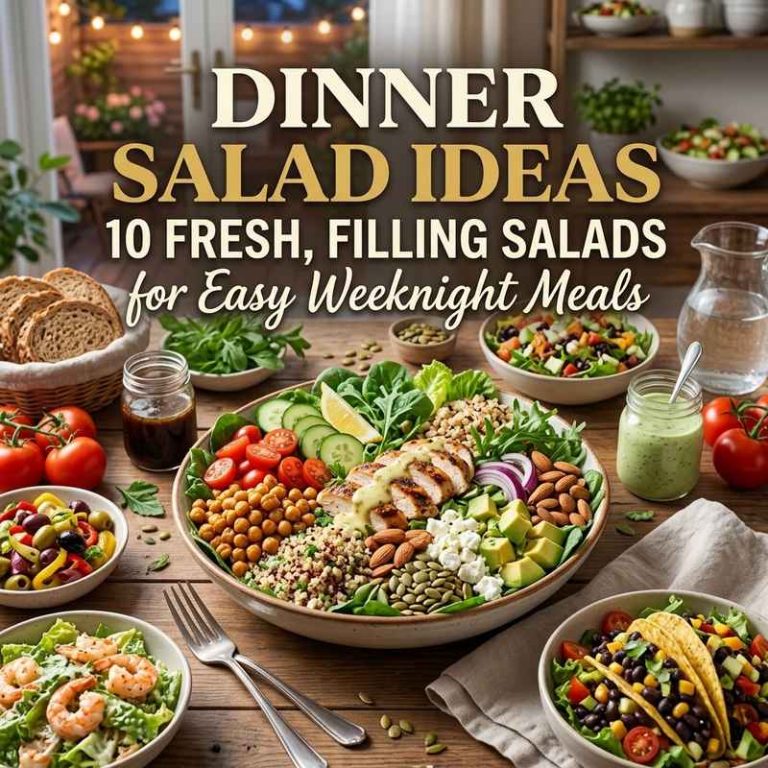
- Mediterranean Week: Lemon-herb chicken, quinoa, cucumber, tomatoes, olives, feta.
- Mexican Fiesta Week: Chicken or beans, brown rice, corn, salsa, avocado.
- Asian Flavors Week: Stir-fried chicken or tofu, brown rice, broccoli, ginger-soy sauce.
This gives you a framework. It helps you choose ingredients. It makes planning easier.
4. Component Prep vs. Full Meal Prep
Sometimes, prepping components is better. Cook your protein. Cook your grains.
Chop your veggies. Then, assemble your lunch each morning. Or, assemble two or three lunches.
This gives you options.
If you prep full meals, then rotate the components. Maybe Monday is chicken and rice. Tuesday is chicken and sweet potato.
The protein is the same. The sides change. This keeps it fresh.
Rotation Strategy: Keep It Fresh
Focus on Protein: Cook one large batch of chicken. Use it in 3 different ways.
- Day 1: Chicken salad with grapes on whole wheat.
- Day 2: Grilled chicken over a large salad with vinaigrette.
- Day 3: Chicken and veggie stir-fry with brown rice.
Mix Up Sides: If you always have broccoli, try green beans one week. Or roasted Brussels sprouts the next.
The Best Containers for Your Meal Prep Lunches
Good containers are essential. They keep your food fresh. They prevent leaks.
They make transport easy. Investing in good ones is worth it.
Types of Containers
- Glass Containers: Durable, non-reactive, and they don’t stain. They are also oven-safe for reheating. Lids are usually silicone or plastic.
- BPA-Free Plastic Containers: Lighter and often cheaper. Look for high-quality ones. Make sure they are microwave-safe.
- Compartmentalized Containers: These are great for keeping foods separate. This stops flavors from mingling. It also makes meals look neat.
- Mason Jars: Perfect for salads (dressing at the bottom, greens on top). Also good for overnight oats or yogurt parfaits.
Choose containers that are leak-proof. This is a must-have. You don’t want spills in your bag.
Look for sizes that fit your typical lunch portion. Having a few different sizes is helpful.
Caring for Your Containers
Wash them well after each use. Handwashing is often best for lids. This helps them last longer.
Check for any cracks or damage. Replace any that are worn out.
Proper storage keeps food safe. It also keeps it tasting good. This is part of the “healthy enough to eat every day” equation.
Real-World Scenarios: Making it Work at Home
Let’s talk about how this fits into your life. It’s not just about the food. It’s about the habits around it.
The Sunday Prep Session
Many people find Sunday is the best day for meal prep. You’re usually home. The weekend is winding down.
It’s a good time to get organized.
You don’t need to spend all day. Set aside 2-3 hours. You can cook your protein.
Roast your veggies. Cook your grains. Make a big salad dressing.
This is your foundation for the week.
Some people prefer to do a little prep each night. Maybe chop veggies after dinner. Cook protein for the next day.
This works too. It spreads the work out.
Find what fits your rhythm. The goal is consistency. Not perfection.
Lunch Prep for Different Lifestyles
Your needs might be different. Consider these:
- Busy Parent: Prep simple, kid-friendly components. Make extra dinner on a busy night for lunch the next day.
- Office Worker: Focus on portable meals. Pack dressings separately. Ensure containers are leak-proof.
- Student: Budget-friendly ingredients like beans, rice, and eggs. Simple recipes that don’t require fancy equipment.
- Fitness Enthusiast: High protein, complex carbs. Portion control is key.
The core principles stay the same. Adapt them to your life.
Dealing with Food Waste
A common concern is food waste. You prep too much. Or food goes bad before you eat it.
Plan Carefully: Only prep what you know you’ll eat. Start with 3-4 lunches. Not five.
You can always make more.
Use Versatile Ingredients: If you buy a bag of spinach, use it in a salad, a smoothie, or sautéed.
Freeze Extras: Cooked grains or proteins can be frozen. This extends their life.
Proper Storage: Airtight containers are essential. Store prepped food in the coldest part of your fridge.
Being mindful of waste makes meal prep more sustainable and economical.
Myth vs. Reality: Meal Prep Edition
Myth: Meal prep is boring and tasteless.
Reality: With spices, herbs, and variety, meal prep can be exciting and delicious.
Myth: Meal prep takes up my entire weekend.
Reality: Focused prep sessions of 2-3 hours can cover your week.
Myth: It’s only for people who eat plain chicken and rice.
Reality: You can prep anything from gourmet salads to hearty stews.
What This Means for You: When is it Normal, When to Worry?
So, you’re prepping lunches. What should you expect? When should you feel good?
And when should you pause and check things?
Normal Signs of Successful Meal Prep
- You feel more energetic. You’re not hitting that 3 PM wall as hard.
- You’re satisfied after lunch. You’re not ravenous an hour later.
- You look forward to your lunch. It’s a pleasant part of your day.
- You’re saving money. You’re not buying lunch out daily.
- You have more control. You know what you’re eating.
- Your variety is good. You’re not eating the exact same thing 5 days in a row.
These are all great signs. Your system is working.
When to Re-evaluate or Worry
There are a few red flags. If you see these, it’s time to adjust.
- Constant Boredom: If you dread opening your lunchbox, something needs to change. Your flavor strategies aren’t working.
- Feeling Undernourished: If you’re still hungry shortly after eating, your protein or fiber might be too low. Or your meal isn’t balanced.
- Digestive Issues: If you have new stomach problems, check your ingredients or preparation methods. Ensure things are cooked properly and stored safely.
- Food Safety Concerns: If food looks or smells off, don’t eat it. This is rare with proper storage but always important to check.
- Lack of Time/Energy: If prepping feels like a huge chore you can’t sustain, simplify your process. Prep fewer items. Or try a different prep day.
It’s important to listen to your body. And be honest about what’s working for you. Meal prep should make your life easier, not harder.
Simple Tips to Elevate Your Meal Prep Game
Here are some quick wins to make your lunches even better.
1. Don’t Forget the Greens
Always try to include some kind of leafy green. Spinach, kale, or mixed greens. They pack a ton of nutrients.
They are low in calories. They add freshness to any meal.
2. Pack Smart Snacks
Sometimes lunch is not enough. Have a healthy snack ready too. An apple with peanut butter.
A handful of almonds. Or some Greek yogurt.
3. Hydrate Well
Drink water throughout the day. It helps with energy and digestion. It can also curb hunger pangs.
Keep a reusable water bottle handy.
4. Season Generously
Don’t be shy with herbs and spices. They make food exciting. They add flavor without extra calories.
Try new blends each week.
5. Embrace Leftovers
Sometimes the easiest meal prep is making extra dinner. If you cook a healthy meal at night, just pack the leftovers for lunch.
6. Think About Temperature
Some foods are best hot. Others are great cold. Plan your meals so they work with how you plan to eat them.
A hot soup needs a good thermos. A salad is great cold.
Lunch Prep Quick Checks
Prep Day: Sunday or Monday morning.
Protein Source: 1-2 types cooked.
Grain/Starch: 1 type cooked.
Veggies: 2-3 types chopped/cooked.
Flavor: 1-2 dressings/sauces ready.
Snack: 1 healthy option prepared.
Frequently Asked Questions About Healthy Meal Prep Lunches
How long do meal-prepped lunches typically stay fresh?
Properly stored meal-prepped lunches, using airtight containers and fresh ingredients, generally stay fresh for 3 to 5 days in the refrigerator. For items like salads with dressing on the side, they can last up to 5 days. Cooked proteins and grains are usually good for about 4 days.
Always use your senses – if something looks or smells off, it’s best to discard it.
What are the best proteins for meal prep that don’t get dry?
Some proteins are more prone to drying out when reheated. Excellent choices that hold up well include chicken thighs (more fat), salmon, lean ground meats, hard-boiled eggs, and plant-based proteins like lentils and beans. If prepping chicken breast, consider slicing it thinly or adding a bit of sauce when packing to keep it moist.
Can I meal prep my lunches for the whole week (Monday-Friday)?
Yes, you can. However, for optimal freshness and texture, it’s often best to aim for 3-4 days of prep. You can then assemble the remaining lunches on Thursday or Friday, or simply pick up a healthy lunch on those days.
Some components, like washed greens or cooked grains, can last longer if stored correctly.
What’s the best way to keep salads from getting soggy?
The key is to keep the dressing and wet ingredients separate from the greens until you’re ready to eat. Pack your greens in the main container. Add your protein, grains, and firmer vegetables on top.
Put your dressing in a small, separate, leak-proof container. Crunchy toppings like nuts or seeds can be added just before serving.
How can I make my meal-prepped lunches taste fresh even after a few days?
Adding fresh herbs, a squeeze of lemon or lime juice, or a flavorful sauce or dressing just before eating can make a big difference. Reheating vegetables thoroughly also helps. Don’t be afraid to experiment with different spices and seasonings each week to keep things interesting.
Is it okay to freeze meal-prepped lunches?
Yes, freezing is a great option for extending the life of your meal-prepped lunches. Many components freeze well, such as cooked grains, beans, stews, chili, and cooked meats. However, delicate ingredients like leafy greens, raw vegetables that are meant to stay crisp, and creamy sauces might not freeze and thaw as well.
It’s best to freeze the main components and add fresh elements later.
Conclusion: Your Delicious, Healthy Lunch Journey
Creating healthy lunches you can eat every day is totally achievable. It’s about smart planning. It’s about simple ingredients.
And it’s about keeping things interesting. Don’t aim for perfection. Aim for progress.
Start small. Try a few of these tips. You’ll soon find a rhythm that works for you.
Your lunches will be something you look forward to. They will fuel your day. And make your life a little easier.