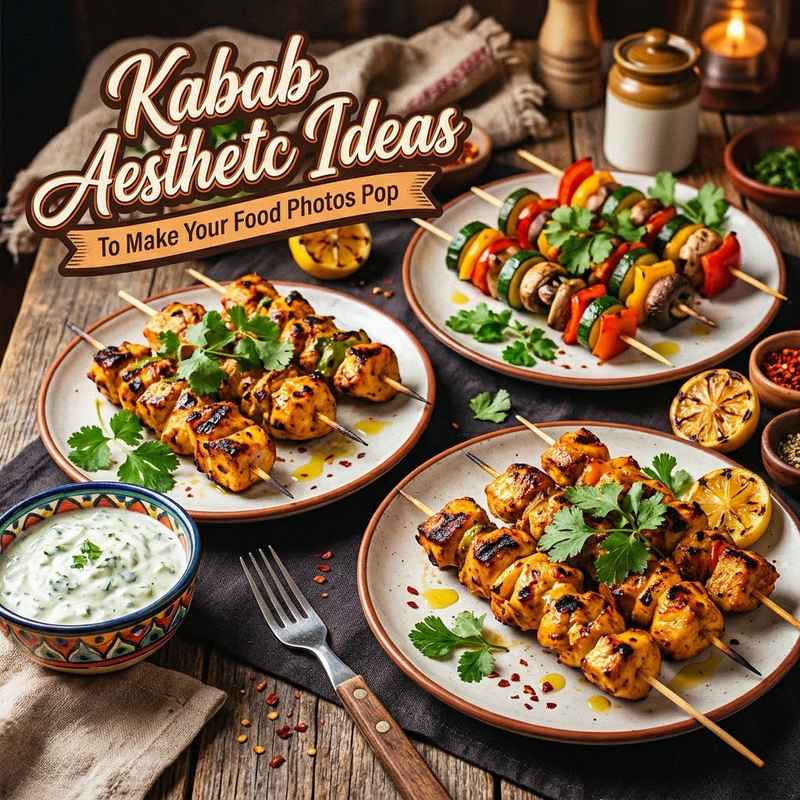
Kabab Aesthetic Ideas to Make Your Food Photos Pop
Kabab Aesthetic is what turns an ordinary kabab roll into something people stop scrolling for. When I first started playing with kabab rolls in my own kitchen, I realized the recipe alone was only half the story. The real magic sat in how the food looked under natural light, how the sauces dripped just enough, and how the colors popped against a simple plate.
That is why I wrote Kabab Roll Recipe: Kabab Aesthetic Ideas to Make Your Food Photos Pop. In the next few minutes I will walk you through a reliable roll I make often, then show you the exact styling moves that make every photo feel intentional and inviting.
I have cooked these rolls for weekend dinners, packed them for picnics, and photographed them on everything from wooden boards to clean white marble. What follows is the method I settled on after many trials, plus the visual tricks that consistently make the images look fresh and share-worthy. Everything stays simple, practical, and focused on results you can repeat at home.
Why Kabab Aesthetic Matters for Everyday Cooking
A good kabab roll already tastes rich and satisfying. When you add intentional kabab aesthetic, the same roll becomes something people want to recreate. Soft lighting, thoughtful color contrast, and clean composition turn a quick meal into a visual treat. I noticed that friends who saw my photos started asking for the recipe more often. The food looked approachable and exciting at the same time. That is the power of pairing solid technique with careful presentation.
Kabab rolls work especially well for this approach because they offer natural layers. You get the deep brown of seared meat, bright green herbs, creamy sauce, and the warm tone of the flatbread. These elements already create visual interest. A few small adjustments in plating and lighting push them further. The goal is never to make the food look artificial. It is to highlight what is already there so the photo feels honest and delicious.
Simple Kabab Roll Recipe That Photographs Beautifully
I keep the filling straightforward so the focus stays on texture and color. This version uses ground meat that cooks quickly and holds its shape inside the roll.
Start with one pound of ground lamb or beef. Mix in one finely chopped onion, two minced garlic cloves, one teaspoon of ground cumin, one teaspoon of smoked paprika, half a teaspoon of chili flakes, salt, and a handful of chopped fresh cilantro. Let the mixture rest for ten minutes so the flavors settle.
Heat a heavy skillet over medium-high heat with a thin layer of oil. Form the meat into small sausage shapes or flat patties. Cook them until the outside develops a deep brown crust and the inside stays juicy. This step is important for both taste and kabab aesthetic. The caramelized edges catch the light and give the final photo rich contrast.
Warm large flour tortillas or soft naan on a dry pan until they become pliable. Spread a thin layer of yogurt sauce mixed with a squeeze of lemon and a pinch of salt. Add a few crisp lettuce leaves or thinly sliced cucumber for freshness. Place the cooked kabab pieces in a straight line down the center. Top with diced tomato, a little more cilantro, and a light drizzle of the same yogurt sauce. Roll tightly, tucking the sides as you go. Slice the roll on a slight diagonal if you want to show the colorful layers inside.
The filling stays moist without making the bread soggy. That balance matters when you plan to photograph the roll soon after assembly.
Building Strong Visual Layers for Better Photos
Once the roll is ready, the styling begins. I always work with the natural colors the ingredients already provide. The dark meat, bright vegetables, and pale sauce create an easy three-tone palette. I never force extra colors that do not belong. Instead I arrange the existing ones so the eye moves smoothly across the frame.
Place the whole roll on a neutral surface first. A light wooden board or a matte white plate works well. Then cut one piece on the diagonal and lean it against the intact roll. This simple move shows the interior without making the plate look messy. A few extra herbs scattered near the cut edge add life. I keep the sauce drizzle controlled so it looks intentional rather than spilled.
For side elements I add only what supports the story. A small bowl of extra yogurt sauce, a wedge of lemon, or a few whole cilantro leaves are enough. Too many props pull attention away from the main subject. The kabab aesthetic stays strongest when the food itself remains the clear focus.
Lighting Choices That Make Kabab Rolls Glow
Natural light remains my first choice. I set up near a large window with soft, diffused light. Direct harsh sun creates deep shadows that hide the texture of the meat and bread. A thin white curtain or a simple diffuser softens the light and keeps the colors true.
If I shoot in the evening I use a single continuous light source placed at a forty-five degree angle. The goal is to create gentle highlights on the seared edges of the kabab and soft shadows that give depth. I avoid overhead lighting because it flattens everything. Side light or slightly back light brings out the steam if the roll is still warm and adds a sense of freshness.
I take most of my photos within ten minutes of rolling. The bread stays soft, the herbs look vibrant, and the sauce has not soaked in. That timing keeps the image honest and appetizing.
Composition Techniques That Feel Natural
I rarely center the roll dead in the middle of the frame. Placing it slightly off-center and leaving negative space on one side creates a calmer image. The empty space gives the eye room to rest and makes the food feel more important.
Shooting from a slight overhead angle works well for rolls because it shows the full length and the cut interior at the same time. A lower angle can emphasize the height of a stacked roll or the way the sauce catches the light. I test both and keep the version that feels most inviting.
In the background I keep surfaces simple. A linen napkin in a muted tone, a wooden spoon, or a small jar of spices can sit far enough away that they stay soft and out of focus. The background should support the roll, never compete with it.
Color and Texture Details That Elevate Every Shot
Texture is one of the strongest tools in kabab aesthetic. The contrast between the crispy edges of the meat, the soft bread, and the creamy sauce creates visual interest even before color enters the picture. I make sure the seared side of the kabab faces the camera when possible so those browned bits show clearly.
Color balance comes next. The warm browns and reds of the meat sit nicely against cool greens from herbs and cucumber. If the plate feels too monochromatic I add a single bright element such as a few pomegranate seeds or a thin slice of red onion. These accents stay small so they do not overwhelm the main subject.
I also pay attention to how the sauce sits. A controlled drizzle that follows the curve of the roll looks deliberate. Random drips can work if they still feel natural, but I prefer a clean line that guides the eye along the length of the food.
Practical Styling Tools I Keep Nearby
A few basic tools make the process smoother. Clean kitchen towels help wipe any stray sauce from the plate edge. Small tweezers let me place individual herb leaves exactly where I want them. A sharp knife ensures clean cuts that show the layers without crushing the bread. I keep a spray bottle with water for a light mist if the herbs start to look dry under the lights.
None of these tools need to be expensive. Most of what I use already lives in a regular kitchen. The difference comes from taking an extra minute to arrange the elements with care before the camera comes out.
Common Mistakes That Weaken Kabab Photos
One frequent issue is overcrowding the plate. When too many side items sit next to the roll the main subject loses power. Another is shooting after the food has sat too long. The bread softens, the herbs wilt, and the overall energy drops. I also see many photos taken under yellow indoor lighting that shifts every color toward orange. Correcting white balance later helps, yet starting with better light saves time.
Over-editing is another trap. Heavy filters can make the meat look unnatural or the sauce look artificial. I keep adjustments light so the final image still feels like something you could pick up and eat.
Scaling the Recipe for Different Occasions
This roll works for quiet weeknight dinners and larger gatherings alike. For a small meal I make two or three rolls and photograph one carefully. For a group I prepare the filling ahead and let people assemble their own. The assembly station itself can become part of the kabab aesthetic. Bowls of toppings arranged neatly on a tray create an inviting scene that photographs well before anyone starts rolling.
Leftover filling keeps well in the refrigerator for a day. I reheat it gently so the texture stays soft and the edges stay browned. Fresh bread and a new drizzle of sauce bring the roll back to life for the next photo session.
Pairing Ideas That Support the Visual Story
I often serve the rolls with a simple side salad of cucumber, tomato, and a light lemon dressing. The bright colors complement the richer tones of the kabab. A bowl of yogurt with a swirl of olive oil and a sprinkle of paprika also looks good in the frame and gives guests something cool to balance the spice.
Drinks stay simple as well. A glass of sparkling water with a lemon slice or a light iced tea keeps the table looking clean. Busy drink glasses can distract from the food, so I keep them partially out of frame or use clear glassware that does not compete.
Making the Process Enjoyable Rather Than Perfect
I treat the styling step as part of the cooking experience instead of a chore. When the light is good and the food is ready I take a few minutes to arrange everything the way I like. Some rolls turn out more photogenic than others. That is fine. The goal is not a flawless commercial image. It is a photo that makes you want another bite and encourages someone else to try the same recipe.
Over time the process becomes faster. I now know which plates work best, which window gives the softest light in the afternoon, and how much sauce looks right without looking messy. Those small observations build a personal style that feels consistent yet never forced.
Bringing Everything Together in One Session
On a recent afternoon I prepared the filling, cooked the kabab pieces, and assembled three rolls. I set one on a wooden board near the kitchen window, cut it open, and arranged a few herb leaves and a small sauce bowl beside it. The natural light caught the seared edges and the creamy yogurt. I took a handful of photos from slightly different angles, then sat down to eat the rest while it was still warm. The photos later became the ones friends asked about most often. That sequence reminds me why the combination of solid cooking and thoughtful kabab aesthetic works so well.
The same approach scales to any day of the week. You do not need special equipment or hours of free time. A reliable recipe, a few minutes of careful arrangement, and respect for natural light are enough to create images that feel warm and genuine.
Frequently Asked Questions
How do I keep the kabab roll from getting soggy before photos?
Assemble the rolls just before you plan to shoot. Keep the sauce light and place any wet ingredients toward the center so the outer bread stays firm. Work quickly once the warm filling is ready.
What is the best time of day for natural light photos of kabab rolls?
Late morning or early afternoon usually gives soft, even light through a north or east facing window. Avoid the harsh midday sun unless you can diffuse it with a sheer curtain.
Can I use chicken instead of lamb or beef for the same aesthetic result?
Yes. Ground chicken works well when seasoned the same way. Cook it until it develops a light golden crust so the texture still photographs with clear definition.
How many rolls should I make if I want to practice plating?
Two or three is ideal. One stays whole, one gets cut open, and the third can be adjusted if the first arrangement needs small changes.
Do I need professional camera gear for good kabab aesthetic photos?
A phone camera in natural light is enough when the food is well prepared and simply arranged. Focus on composition and lighting before worrying about equipment.
What surface works best under the rolls?
A light wooden board or a matte ceramic plate keeps the focus on the food. Highly reflective or busy patterned surfaces can distract from the colors and textures.
The ideas in this article grew from real time spent cooking and photographing kabab rolls in ordinary kitchens. The recipe stays reliable, the styling stays approachable, and the results stay true to how the food actually looks and tastes. When you next make a batch, give the presentation the same care you give the seasoning. The photos will reflect that care, and the rolls will still taste just as good when the camera is put away.