
Japanese Chicken Curry: Best Easy Homemade Recipes
Japanese chicken curry is one of those comforting, mildly sweet, and deeply savory dishes that feels like a warm hug in a bowl. If you’ve ever wanted an easy homemade version that tastes better than takeout, you’re in the right place. This Japanese Chicken Curry: Best Easy Homemade Recipes guide walks you through everything I’ve learned from making it countless times in my own kitchen.
I’ve cooked this dish for weeknight dinners, family gatherings, and even meal prep Sundays. It’s forgiving, flexible, and reliably delicious. The flavor sits somewhere between mild Indian curry and a rich stew, with a signature sweetness and thickness that clings beautifully to rice. Once you try it, you’ll understand why so many people keep a box of Japanese curry roux in their pantry.
Why Japanese Chicken Curry Feels Different
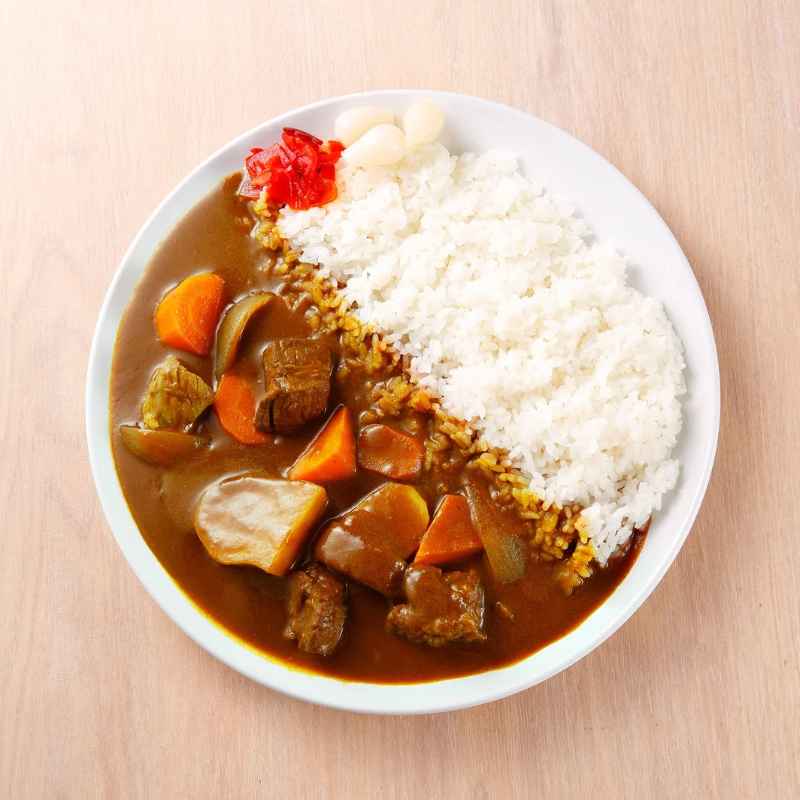
Japanese chicken curry stands apart from other curries. It’s not fiery. It’s not overly spiced. Instead it leans savory-sweet with a smooth, almost gravy-like texture. The secret often sits in the pre-made curry roux blocks that melt into the pot and create that classic glossy finish.
I first fell in love with it after trying a simple version at home with store-bought roux. The house filled with an incredible aroma of onions, carrots, and mild spices. My family cleaned their plates and asked for seconds. That night convinced me this recipe belonged in regular rotation.
The beauty of Japanese chicken curry is how approachable it remains for beginners. You don’t need a long list of obscure spices. You don’t need advanced technique. You just need a pot, some everyday vegetables, chicken, and a little patience while everything simmers together.
What Makes Homemade Japanese Chicken Curry Worth Making
Store-bought Japanese curry from restaurants can taste good, but homemade gives you control. You decide how thick the sauce becomes. You choose the level of sweetness. You pick the exact cut of chicken and how tender you want the vegetables.
When I make Japanese chicken curry at home I can adjust it for picky eaters, stretch it for leftovers, or dress it up for guests. It freezes well. It reheats even better the next day as the flavors deepen. And it pairs perfectly with a simple bowl of white rice, which is exactly how most people in Japan enjoy it.
The dish also teaches useful kitchen skills without feeling intimidating. You learn how to build flavor by browning the chicken, softening the onions properly, and letting the curry simmer long enough for the sauce to thicken naturally.
Essential Ingredients for Japanese Chicken Curry
Here’s what I reach for every time I make a classic version.
Chicken
Boneless, skinless chicken thighs work best. They stay juicy and tender even if they cook a little longer. Breast meat works too if you prefer leaner meat, but watch the cooking time so it doesn’t dry out. Cut the chicken into bite-sized pieces about one to one-and-a-half inches.
Vegetables
Onion, carrot, and potato form the classic trio. Yellow onions give the best sweetness once they soften. Carrots add color and mild sweetness. Potatoes (Yukon Gold or russet) help thicken the sauce slightly as they cook and give the dish its hearty feel. Some people also add mushrooms or green peas near the end.
Japanese Curry Roux
This is the shortcut that makes the dish weeknight-friendly. Brands like S&B Golden Curry, Vermont Curry, or Java Curry come in mild, medium, and hot. For most American households I recommend starting with mild or medium-hot. The roux blocks melt into the liquid and create the signature thick, glossy sauce. One box usually seasons four to six servings.
Liquid
Water or low-sodium chicken broth both work. Broth adds extra depth. Some cooks like to swap in a little apple juice or grated apple for extra natural sweetness, which is common in many Japanese home recipes.
Optional Flavor Boosters
A small piece of grated apple or a spoonful of honey or sugar enhances the mild sweetness. A splash of soy sauce or Worcestershire sauce adds umami. A bay leaf during simmering is nice but not required. Some people stir in a little ketchup or tomato paste for brightness.
Simple Equipment You Actually Need
You don’t need special tools. A large heavy-bottomed pot or Dutch oven works perfectly. A wooden spoon or silicone spatula helps scrape the bottom so nothing sticks. A sharp knife and cutting board handle the prep. That’s it.
Step-by-Step Japanese Chicken Curry Recipe
This is the method I use most often. It takes about 45 to 55 minutes start to finish and serves four to six people.
Start by cutting the chicken into even pieces and seasoning them lightly with salt and pepper. Peel and cut the onion into wedges or thick slices. Peel the carrots and cut them into chunky pieces on the bias so they look nice and cook evenly. Cut the potatoes into similar-sized chunks so everything finishes at the same time.
Heat a little oil in your pot over medium heat. Add the chicken in a single layer and brown it on both sides. You don’t need to cook it through yet. Just get some color. Remove the chicken and set it aside.
In the same pot, add a bit more oil if needed and cook the onions until they soften and turn translucent. This step builds a lot of flavor, so don’t rush it. Add the carrots and cook for another couple of minutes. Return the chicken to the pot along with the potatoes.
Pour in enough water or broth to just cover the ingredients. Bring everything to a gentle boil, then lower the heat and simmer with the lid slightly ajar for about 15 to 20 minutes. The vegetables should be tender when pierced with a fork and the chicken should be cooked through.
Turn off the heat. Break the curry roux into pieces and add them to the pot. Stir gently until the blocks fully dissolve. Turn the heat back on low and simmer for another 5 to 10 minutes, stirring often, until the sauce thickens to a nice gravy consistency. Taste and adjust. If it feels too thick, add a splash of water. If it needs more depth, a little soy sauce or a pinch of sugar can help.
Serve the Japanese chicken curry over freshly cooked short-grain or medium-grain white rice. The rice soaks up the sauce beautifully.
Tips That Make a Big Difference
Cut the vegetables into similar sizes so they cook evenly. If the potatoes are much smaller than the carrots they will turn mushy while the carrots stay firm.
Don’t skip browning the chicken. That little bit of color adds flavor to the whole pot.
Stir after adding the roux. The blocks can stick to the bottom if left alone.
Let the finished curry rest for a few minutes off the heat. The sauce continues to thicken slightly and the flavors settle.
If you like a smoother sauce, you can mash a few of the potato pieces against the side of the pot while it simmers.
Easy Variations I Make Often
Slow Cooker Japanese Chicken Curry
Brown the chicken and onions first if you have time, then add everything except the roux to the slow cooker. Cook on low for 5 to 6 hours or high for 3 to 4 hours. Stir in the roux during the last 20 to 30 minutes.
Instant Pot Version
Use the sauté function to brown the chicken and onions. Add the remaining ingredients except the roux. Pressure cook on high for 8 minutes, then quick release. Stir in the roux and simmer on sauté until thickened.
From-Scratch Spice Version
If you prefer not to use roux blocks, you can build a sauce with flour, butter, curry powder, garam masala, and a few other spices. It takes more measuring but gives you complete control over the flavor profile. The roux method is still my go-to for busy nights.
Extra Vegetable Add-Ins
Mushrooms, zucchini, green beans, or frozen peas all work well. Add delicate vegetables near the end so they don’t overcook.
Protein Swaps
Pork, beef, or firm tofu can replace the chicken. Adjust cooking times accordingly. Leftover roast chicken also works if you add it toward the end.
Serving Suggestions That Feel Complete
The classic way is a generous scoop of Japanese chicken curry over a mound of steamed white rice. Many people also enjoy it with a side of Japanese pickled vegetables or a simple green salad with sesame dressing.
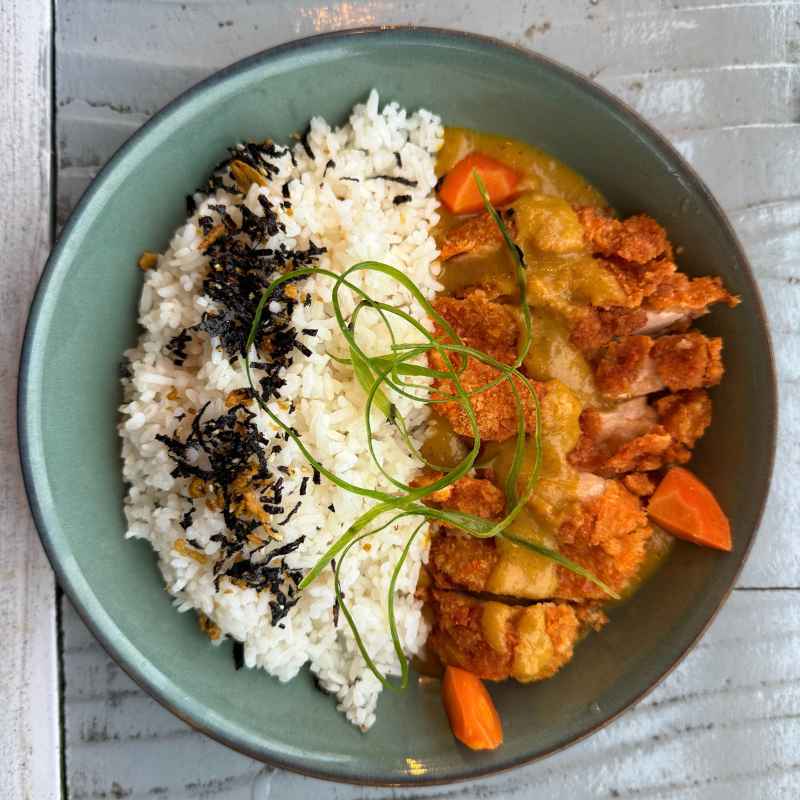
For a heartier plate, add a piece of crispy chicken katsu on top to make chicken katsu curry. The contrast of crunchy breaded cutlet and soft curry is excellent.
A soft-boiled or soft-fried egg on top is another popular addition. The runny yolk mixes into the sauce and makes everything richer.
Storage and Reheating
Japanese chicken curry stores well in the refrigerator for three to four days in an airtight container. The sauce thickens as it sits, so you may need to loosen it with a splash of water or broth when reheating.
It also freezes nicely for up to two months. Cool it completely first, then portion it into freezer-safe containers. Thaw overnight in the fridge and reheat gently on the stove, stirring often.
I often make a double batch on purpose so I have easy lunches ready later in the week.
Common Mistakes and How to Avoid Them
Using chicken breast and overcooking it can lead to dry meat. Thighs are more forgiving.
Adding the roux while the pot is still boiling hard can cause the sauce to become grainy. Always turn the heat down or off first.
Cutting the potatoes too small makes them fall apart. Keep the pieces substantial.
Forgetting to taste at the end means you might miss the chance to balance the sweetness or saltiness.
Making It Part of Your Regular Rotation
Japanese chicken curry uses ingredients that are easy to find in most U.S. grocery stores or online. The flavor profile appeals to a wide range of ages and spice preferences. It feels special enough for guests yet simple enough for a Tuesday night. And leftovers improve overnight, which is always a win for busy households.
I’ve served this to people who claimed they didn’t like curry and watched them go back for seconds. The mild sweetness and thick texture make it approachable even for those new to Japanese flavors.
Making It Part of Your Regular Rotation
Once you make Japanese chicken curry a couple of times, the process becomes almost automatic. Prep the vegetables while the chicken browns. Let it simmer while you cook the rice. In under an hour you have a complete, satisfying meal that feels homemade in the best way.
I keep a box or two of curry roux in the pantry at all times. On nights when I need something reliable and comforting, this is one of the first recipes I reach for.
FAQ
What is the difference between Japanese chicken curry and Indian chicken curry?
Japanese chicken curry is milder, thicker, and slightly sweeter. It usually relies on a pre-made roux for its characteristic texture and balanced flavor. Indian curries tend to use a wider range of whole and ground spices and often have a thinner or more complex sauce.
Can I make Japanese chicken curry without the roux blocks?
Yes. You can create a similar sauce using butter, flour, curry powder, and additional seasonings. The roux blocks simply make the process faster and more consistent for beginners.
Is Japanese chicken curry spicy?
It depends on the roux you choose. Mild versions are very gentle and family-friendly. Medium and hot versions add noticeable heat but still stay milder than many other curry styles.
What kind of rice goes best with Japanese chicken curry?
Short-grain or medium-grain white rice is traditional because it holds the sauce well. Jasmine rice also works if that’s what you have on hand.
How do I thicken Japanese chicken curry if it’s too thin?
Simmer it longer with the lid off so excess liquid evaporates. You can also mash a few potato pieces into the sauce or dissolve a little extra roux if you have some left.
Can I prepare Japanese chicken curry ahead of time?
Absolutely. The flavors improve after a day in the refrigerator. Reheat gently on the stove and add a splash of water or broth if the sauce has thickened too much.
What vegetables work well in Japanese chicken curry?
Onion, carrot, and potato are the classic combination. Mushrooms, green peas, zucchini, and even sweet potato are good additions depending on what you like.
After making Japanese chicken curry many times, I keep coming back to how reliable and satisfying it is. The process is straightforward, the ingredients are accessible, and the result feels special without requiring advanced skills. Whether you’re cooking for yourself, your family, or friends, this dish delivers comfort and flavor in equal measure. Give it a try the next time you want something warm, hearty, and genuinely delicious. Once the aroma fills your kitchen, you’ll understand why so many people fall in love with homemade Japanese chicken curry.