
Cajun Crawfish Etouffee: Best Easy Homemade Recipe
Cajun Crawfish Etouffee is one of those Louisiana dishes that feels like a warm hug in a bowl. If you’ve ever wanted the rich, spicy, smothered flavor of a classic South Louisiana meal without spending all day in the kitchen, this guide is for you. In this article, Cajun Crawfish Etouffee: Best Easy Homemade Recipe, you’ll learn exactly how to make a flavorful, beginner-friendly version at home using simple ingredients and clear steps. Whether you’re new to Cajun cooking or just craving that deep roux-based gravy over rice, you’ll walk away ready to cook with confidence.
Étouffée (pronounced ay-too-FAY) comes from the French word meaning “to smother.” The dish does exactly that—tender crawfish tails get gently smothered in a thick, seasoned gravy built on a carefully cooked roux and the classic “holy trinity” of onion, celery, and green bell pepper. The result is hearty, slightly spicy, and deeply comforting. It sits somewhere between a stew and a thick sauce, always served over steamed white rice.
This recipe keeps things practical for home cooks across the USA. You don’t need special equipment or hard-to-find ingredients. Frozen Louisiana crawfish tails work beautifully when fresh ones aren’t available. The method focuses on building flavor step by step so the finished dish tastes like it came from a Louisiana kitchen, not a shortcut package.
What Makes Cajun Crawfish Etouffee Special
Cajun Crawfish Etouffee stands out because of its balance. The roux gives a nutty depth. The trinity vegetables add sweetness and aroma. Cajun seasoning and a touch of cayenne bring warmth without overwhelming the sweet crawfish. Unlike gumbo, étouffée is thicker and more concentrated. Unlike a simple sauté, the gravy clings to every bite of rice.
Traditional Cajun versions often skip tomatoes and rely on a darker, oil- or butter-based roux for color and flavor. Creole-style versions more commonly include tomatoes and a lighter butter roux. Many modern home cooks blend the two approaches. The recipe below leans Cajun in spirit—rich, savory, and focused on the crawfish—while staying flexible so you can adjust heat and thickness to your taste.
The dish also shines because it rewards patience in a few key places (especially the roux) and then moves quickly. Once the base is ready, the crawfish only need a few minutes to heat through. Overcooking is the most common way to ruin tender tails, so the timing stays short and intentional.
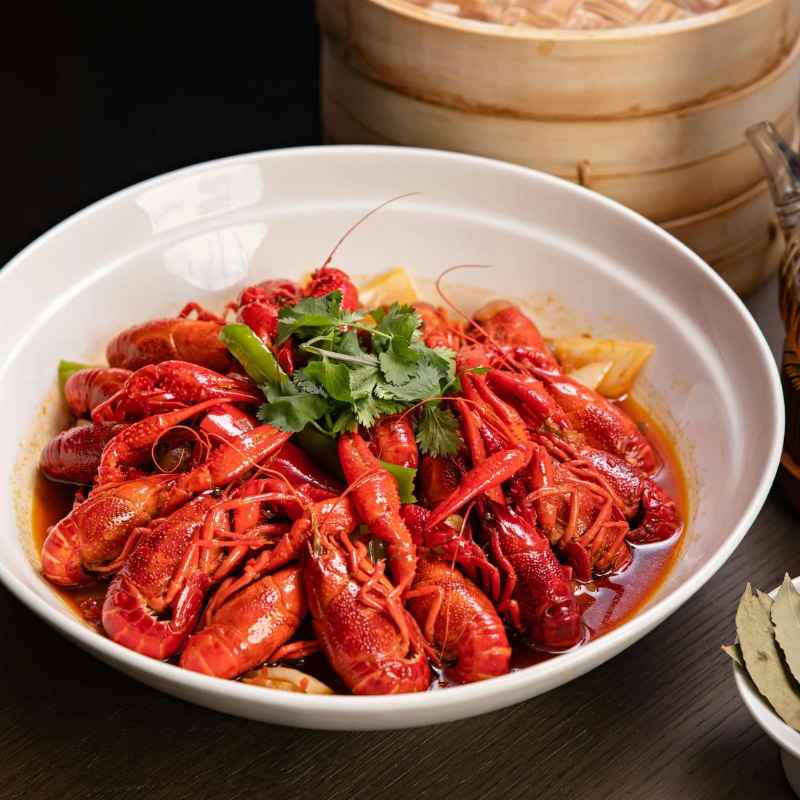
Ingredients for Easy Homemade Cajun Crawfish Etouffee
Gather everything before you start. A mise en place approach keeps the roux process smooth and prevents burning.
For the roux and base:
- ½ cup (1 stick) unsalted butter (or a mix of butter and neutral oil)
- ½ cup all-purpose flour
- 1 large yellow onion, finely diced
- 1 green bell pepper, finely diced
- 2–3 celery stalks, finely diced
- 4 garlic cloves, minced
- 1–2 teaspoons Cajun or Creole seasoning (adjust to taste and salt level of your blend)
- ½ teaspoon smoked or sweet paprika
- ¼–½ teaspoon cayenne pepper (optional, for extra heat)
- ½ teaspoon dried thyme
- 1–2 bay leaves
- 2–3 cups seafood stock, crawfish stock, or low-sodium chicken stock (warmed)
- 1 tablespoon Worcestershire sauce
- Hot sauce to taste (Louisiana-style preferred)
- Salt and black pepper to taste
For the finish:
- 1–1½ pounds cooked Louisiana crawfish tails (thawed if frozen; include any fat from the package)
- ½ cup chopped green onions (plus more for serving)
- ¼ cup chopped fresh parsley
- Cooked white rice, for serving
- Optional: squeeze of fresh lemon juice
Notes on ingredients: Look for crawfish tails labeled “Product of USA” or “Louisiana” when possible. They tend to have better flavor and texture than many imported options. If the package includes fat (sometimes called “crawfish butter”), keep it—it adds authentic richness. Seafood stock gives the deepest flavor, but chicken stock works well for most home cooks.
How to Make Cajun Crawfish Etouffee Step by Step
This method builds the gravy first, then finishes gently with the crawfish. Total active time is roughly 45–60 minutes once ingredients are prepped.
- Prep the vegetables and warm the stock. Dice the onion, bell pepper, and celery into small, even pieces. Mince the garlic. Warm the stock in a small saucepan or microwave so it is hot when you need it. Cold liquid can seize a hot roux and create lumps.
- Make the roux. In a heavy-bottomed Dutch oven or large skillet over medium heat, melt the butter. Whisk in the flour until smooth. Reduce heat to medium-low. Stir constantly with a flat-edged wooden spoon or heatproof spatula, scraping the bottom and corners. Cook 8–15 minutes until the roux reaches a smooth peanut-butter color (or a bit darker for deeper flavor). It should smell nutty, not burnt. If black specks appear or it smells bitter, discard and start over—burnt roux cannot be saved.
- Add the holy trinity. Immediately stir in the onion, bell pepper, and celery. The mixture will thicken and clump; this is normal. Cook 5–8 minutes, stirring often, until the vegetables soften and the raw flour taste cooks out. Add the garlic and cook 30–60 seconds more until fragrant.
- Season and add liquid. Stir in the Cajun seasoning, paprika, cayenne (if using), thyme, bay leaves, and a pinch of black pepper. Cook 30 seconds to bloom the spices. Gradually whisk in the warm stock, a little at a time, until the sauce is smooth and the consistency of a thick gravy. Add Worcestershire and a few dashes of hot sauce. Bring to a gentle simmer, then reduce heat to low. Simmer uncovered 15–20 minutes, stirring occasionally, so flavors meld and the sauce thickens slightly. Taste and adjust salt, heat, and seasoning. Remove bay leaves.
- Finish with crawfish. Gently fold in the thawed crawfish tails and any package fat or juices. Cook only 3–5 minutes, just until heated through. Do not boil hard—overcooking makes the tails tough and rubbery. Stir in most of the green onions and parsley. Taste once more. A tiny squeeze of lemon can brighten the rich sauce if desired.
- Serve. Spoon hot étouffée over steamed white rice. Garnish with remaining green onions and parsley. Offer extra hot sauce at the table.
Helpful Tips for Success
- Stir the roux without stopping. Even a short distraction can lead to scorching.
- Use a heavy pot. Thin pans create hot spots that burn flour easily.
- Warm the stock. This keeps the sauce silky.
- Taste as you go. Cajun seasoning blends vary widely in salt and heat.
- Add crawfish last. They are already cooked and only need warming.
- Thickness is personal. Add a splash more stock if the gravy feels too thick, or simmer a few extra minutes if it is too thin.
- Make-ahead friendly. The base (before crawfish) can be made a day ahead and refrigerated. Reheat gently and add the tails just before serving.
Common Mistakes and How to Avoid Them
Many first-time cooks run into the same issues. Here’s how to sidestep them:
| Mistake | Why It Happens | Easy Fix |
|---|---|---|
| Burnt roux | Heat too high or not stirring enough | Keep heat medium-low and stir constantly; start over if black speckles appear |
| Lumpy sauce | Cold stock added too fast | Warm the stock and add it gradually while whisking |
| Tough crawfish | Overcooked after adding | Heat only until warmed through (3–5 minutes max) |
| Bland flavor | Under-seasoned or weak stock | Taste at the end and adjust; use seafood stock when possible |
| Too thin or too thick | Wrong liquid ratio or simmer time | Adjust with stock or a short extra simmer |
Serving Suggestions and Pairings
Classic presentation is simple: a generous ladle of étouffée over a mound of fluffy white rice. Some cooks prefer the rice on the side so diners can control the ratio. Hot sauce, extra green onions, and a lemon wedge complete the plate.
Side ideas that work well:
- Simple green salad with a light vinaigrette
- Cornbread or crusty French bread for soaking up gravy
- Steamed or sautéed greens
- Cold beer or iced tea
Leftovers keep in the refrigerator 2–3 days. Reheat gently over low heat, adding a splash of stock if needed. Freezing works for the base, but the texture of the crawfish is best when freshly finished.
Variations and Substitutions
- Shrimp étouffée: Swap crawfish for peeled, deveined shrimp. Add them near the end and cook just until pink and opaque.
- Milder version: Reduce or omit cayenne and use a milder seasoning blend.
- Tomato note (more Creole-leaning): Stir in 1 tablespoon tomato paste with the spices or a small amount of diced tomato after the vegetables soften.
- Gluten-free: Use a gluten-free all-purpose flour blend for the roux; results may vary slightly in color and thickness.
- Stock alternatives: Chicken stock is reliable. Vegetable stock works in a pinch but delivers less depth.
Why This Recipe Works for Home Cooks
The method prioritizes control and clear visual cues. You learn what a proper peanut-butter roux looks and smells like. You see the vegetables soften and the sauce come together. The short finish protects the delicate crawfish. These details turn a potentially intimidating Louisiana classic into a repeatable weeknight or weekend meal.
Cajun Crawfish Etouffee also scales easily. Double the recipe for a crowd, or halve it for two. The flavors improve slightly after a rest, making it a good candidate for company dinners where you want most of the work done before guests arrive.
Suggested Visuals — Not Included
- A close-up overhead shot of a bowl of finished étouffée with a scoop of white rice, green onions, and parsley, showing the rich gravy texture.
- A process photo of the roux at peanut-butter stage next to the finished dish, so readers can compare color.
- A simple step illustration or photo series of the holy trinity being added to the roux and the sauce coming together.
These visuals help beginners recognize key stages and make the finished dish look approachable and appetizing.
Conclusion
Cajun Crawfish Etouffee delivers big flavor from a handful of everyday ingredients once you master the roux and timing. The dish rewards careful stirring early on and gentle handling of the crawfish at the end. Serve it over rice with a sprinkle of green onions, and you have a satisfying Louisiana-style meal that feels special without being complicated.
Now that you have a clear, practical method, the next step is simple: gather the ingredients, warm the stock, and start the roux. Taste as you go, adjust the heat to your preference, and enjoy the process. Once you’ve made it once, you’ll see how easy it becomes to bring this classic comfort food to your own table.
Frequently Asked Questions
What is the difference between Cajun and Creole crawfish étouffée?
Cajun versions typically rely on a darker roux and skip tomatoes, producing a deeper, more rustic flavor. Creole versions often use a lighter butter-based roux and include tomatoes for a reddish color and brighter acidity. Many home recipes blend elements of both.
Can I use frozen crawfish tails?
Yes. Most home cooks outside Louisiana use frozen tails. Thaw them in the refrigerator, reserve any liquid or fat from the package, and add the tails only at the end so they heat through without toughening.
How dark should the roux be for étouffée?
Aim for a smooth peanut-butter color for a classic, approachable flavor. A slightly darker copper or light chocolate shade adds more nuttiness. Stop before it turns black or smells burnt.
What can I substitute for seafood stock?
Low-sodium chicken stock is the most common and reliable substitute. It still produces a flavorful gravy. Homemade seafood stock from shells adds extra depth if you have time.
How do I keep the crawfish from becoming rubbery?
Add the tails only after the sauce is fully seasoned and simmered. Heat them gently for 3–5 minutes just until warmed. Avoid a hard boil after they go in.
Can I make Cajun Crawfish Etouffee ahead of time?
Yes. Prepare the gravy base (through the simmering step) up to a day ahead and refrigerate. Reheat gently, then stir in the crawfish, green onions, and parsley just before serving.
Is this dish very spicy?
Heat level is fully adjustable. Start with a modest amount of Cajun seasoning and cayenne, then taste and add more hot sauce or cayenne at the end. The base should be savory and balanced rather than fiery.