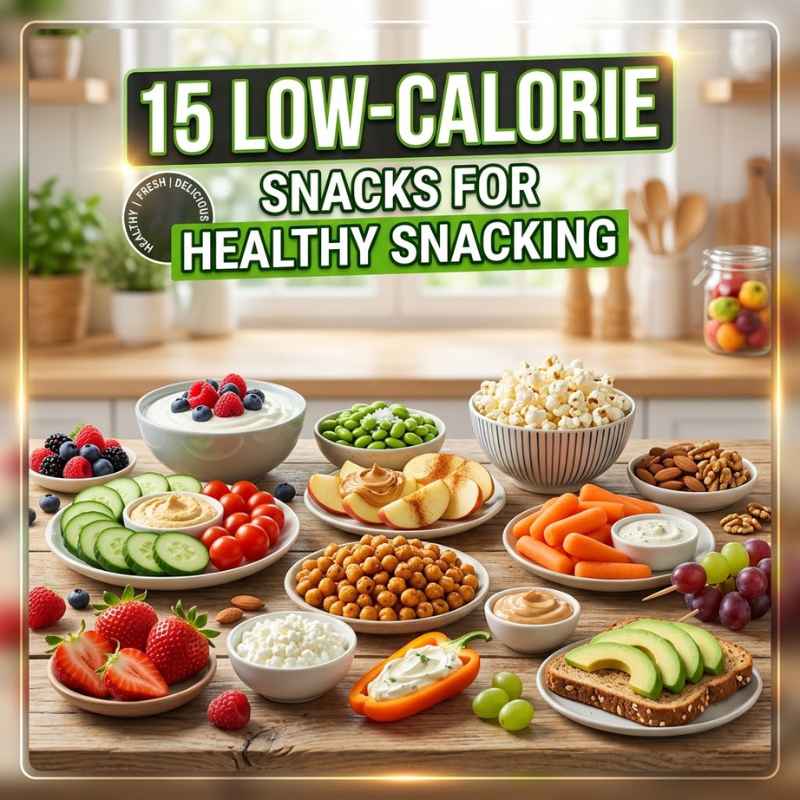
15 Low-Calorie Snacks for Healthy Snacking
Discovering delicious and satisfying low-calorie snacks is key to maintaining a healthy lifestyle without feeling deprived. Finding options that are both nutritious and don’t derail your diet can be a challenge, but this guide is here to help. We’ve curated a list of fantastic, guilt-free snacks that will keep you full and energized throughout the day.
Simply put, low-calorie snacks offer nutrient-dense, satisfying options that support healthy eating goals without excessive calories, helping you manage weight and maintain energy levels between meals. Focus on whole foods like fruits, vegetables, lean proteins, and whole grains for the best results.
Key Takeaways
- Low-calorie snacks are essential for effective weight management and sustained energy.
- Prioritize whole foods such as fruits, vegetables, lean proteins, and whole grains.
- Hydration plays a crucial role in satiety and can help curb unnecessary snacking.
- Portion control is vital, even with healthy snack choices.
- Experiment with different flavor profiles and textures to keep snacking interesting.
What Are Low-Calorie Snacks?
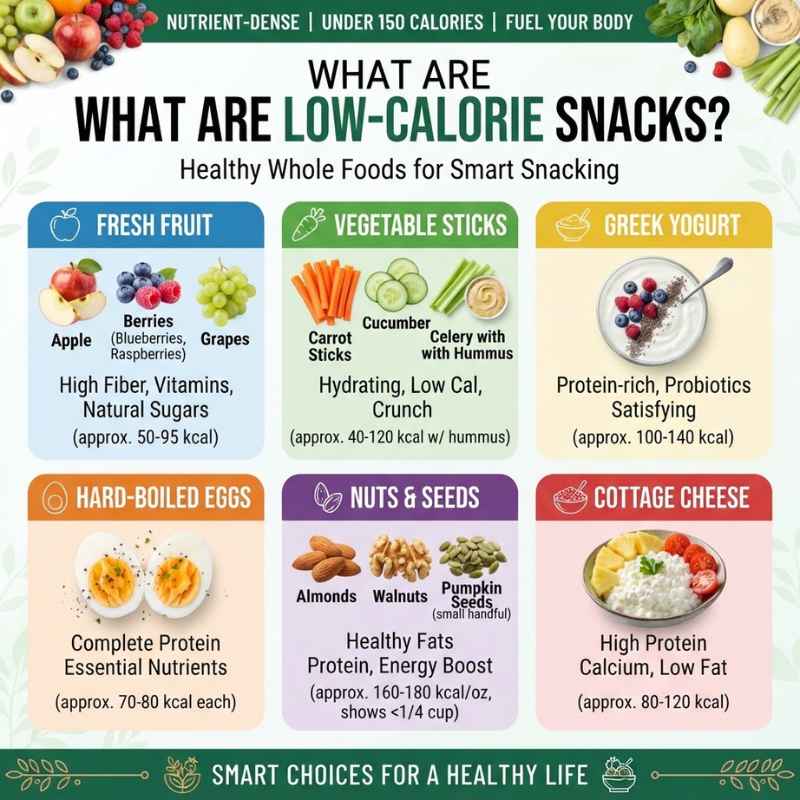
Low-calorie snacks are food items that provide nutritional value while containing a relatively small number of calories per serving. The goal is to feel satisfied and nourished without consuming a significant portion of your daily caloric intake. These snacks often focus on nutrient density, meaning they pack a lot of vitamins, minerals, and fiber into fewer calories.
Choosing the right low-calorie snacks can make a significant difference in your overall health and dietary adherence. They help bridge the gap between meals, preventing overeating when it’s time for your next full meal. This strategic snacking can also boost your metabolism and provide sustained energy throughout the day.
The best low-calorie snacks are typically made from whole, unprocessed foods. Think fruits, vegetables, lean proteins like Greek yogurt or hard-boiled eggs, and whole grains. These foods are naturally lower in calories and higher in fiber and protein, which contribute to feelings of fullness and satisfaction.
How to Choose the Best Low-Calorie Snacks
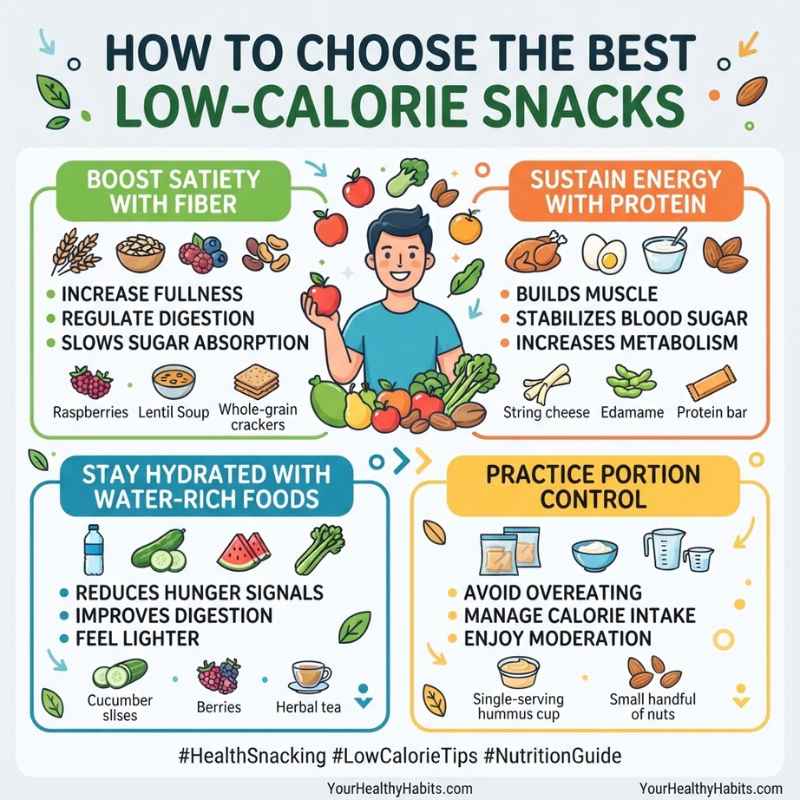
Selecting the right low-calorie snacks involves understanding what makes a snack healthy and satisfying. It’s not just about avoiding high-calorie foods, but actively choosing those that offer the most nutritional bang for their caloric buck. This often means looking for snacks rich in fiber, protein, and water content.
Fiber is a crucial component as it slows digestion, helping you feel fuller for longer. Foods like apples, berries, carrots, and whole-grain crackers are excellent sources. Protein is another key player in satiety; lean sources like Greek yogurt, cottage cheese, or a small handful of almonds can curb hunger effectively.
Hydration also plays a vital role. Sometimes, thirst can be mistaken for hunger. Drinking a glass of water or having a hydrating snack like cucumber slices or watermelon can satisfy your urge to eat while also contributing to your daily fluid intake.
Always consider the serving size; even healthy foods can become high in calories if consumed in excess.
- Prioritize fiber-rich foods (fruits, vegetables, whole grains).
- Include lean protein sources to enhance satiety.
- Stay hydrated by drinking water throughout the day.
- Be mindful of portion sizes to manage calorie intake.
- Opt for whole, unprocessed foods over packaged snacks.
- Consider snacks that offer a variety of textures and flavors to keep things interesting.
- Read nutrition labels carefully, paying attention to calories, sugar, and sodium.
1. Fresh Fruits: Nature’s Sweet Treats
Fruits are powerhouse snacks, naturally sweet, packed with vitamins, minerals, and fiber, and surprisingly low in calories. They are the perfect go-to for satisfying a sweet craving without the guilt. Their high water content also contributes to hydration and fullness.
Berries, such as strawberries, blueberries, raspberries, and blackberries, are particularly excellent choices. They are low in calories and sugar compared to many other fruits and are loaded with antioxidants. An apple or a pear offers satisfying crunch and fiber, making it a great option for on-the-go snacking.
Oranges, grapefruits, and other citrus fruits are not only refreshing but also provide a good dose of Vitamin C. Bananas are a bit higher in calories and sugar but offer potassium and are very filling. Enjoying a single piece of fruit or a small bowl of mixed berries is a fantastic way to boost your nutrient intake.
Key Features:
- High in vitamins, minerals, and antioxidants.
- Excellent source of dietary fiber.
- Naturally sweet, satisfying sugar cravings.
- High water content aids in hydration and fullness.
- Versatile and can be eaten whole, sliced, or in a fruit salad.
- Generally low in calories per serving.
Pros & Cons:
| Pros | Cons |
|---|---|
| Naturally sweet and delicious. | Can be high in natural sugars if consumed in very large quantities. |
| Rich in fiber and essential nutrients. | Some fruits can be high in calories (e.g., dried fruits, avocados). |
| Hydrating and filling. | Perishability requires careful storage. |
| Widely available and affordable. | May require preparation (washing, peeling). |
Best For: Satisfying sweet cravings, boosting vitamin intake, a quick and easy portable snack.
2. Vegetable Sticks with Hummus: Crunchy & Creamy Delight
For a snack that offers a satisfying crunch and creamy dip, look no further than vegetable sticks with hummus. This combination is incredibly nutrient-dense and can be customized to your liking. The vegetables provide fiber and vitamins, while hummus offers a touch of protein and healthy fats.
Carrots, celery, bell peppers (all colors), cucumber, and snap peas are excellent choices for dipping. They offer a crisp texture and are very low in calories. Hummus, made from chickpeas, tahini, lemon juice, and garlic, is a flavorful and filling dip.
Be mindful of portion sizes for the hummus, as it can be calorie-dense in larger amounts.
A standard serving of hummus is about two tablespoons. Pair this with a generous handful of your favorite raw vegetables. This snack is not only healthy but also visually appealing and incredibly satisfying for those moments when you crave something savory and substantial.
- Crunchy and satisfying textures.
- Rich in fiber, vitamins, and minerals from vegetables.
- Hummus provides plant-based protein and healthy fats.
- Customizable with a variety of vegetables and hummus flavors.
- Relatively low in calories when portions are managed.
- Great for visual appeal and palatability.
Tip: Prepare your vegetable sticks ahead of time and store them in an airtight container in the refrigerator for easy access throughout the week.
Best For: Satisfying savory cravings, a mid-afternoon energy boost, a healthy alternative to chips and dip.
3. Greek Yogurt with Berries: Protein-Packed Powerhouse
Greek yogurt is a fantastic base for a low-calorie snack, offering a significant protein punch that keeps you feeling full and satisfied. It’s thicker and creamier than regular yogurt, making it feel more decadent while being packed with probiotics for gut health.
Pairing plain, non-fat Greek yogurt with fresh berries is a winning combination. Berries add natural sweetness, antioxidants, and fiber without adding many calories. A sprinkle of chia seeds or a few slivered almonds can add extra texture and nutrients, but be mindful of their calorie contributions.
This snack is incredibly versatile. You can add a tiny drizzle of honey or a dash of cinnamon for extra flavor. Avoid flavored yogurts, which are often loaded with added sugars and calories.
Opting for plain Greek yogurt and sweetening it naturally is the healthier choice.
| Nutritional Comparison (per 150g serving) | Plain Non-Fat Greek Yogurt | Flavored, Sugary Yogurt |
|---|---|---|
| Calories | ~90-100 kcal | ~130-180 kcal |
| Protein | ~15-20g | ~6-8g |
| Sugar | ~4-6g (natural lactose) | ~15-25g (added sugars) |
| Fat | ~0g | ~0-3g |
Best For: Post-workout recovery, a substantial mid-morning snack, satisfying hunger with protein.
4. Hard-Boiled Eggs: Portable Protein Power
Hard-boiled eggs are a classic low-calorie snack that are incredibly convenient and packed with essential nutrients. They are a complete protein source, meaning they contain all nine essential amino acids, which are vital for muscle repair and overall body function.
One large hard-boiled egg contains about 70-80 calories and provides roughly 6 grams of high-quality protein. This protein content makes them incredibly satiating, helping to reduce overall hunger and prevent you from reaching for less healthy options. They are also a good source of choline, important for brain health.
The convenience factor is unbeatable. You can boil a batch at the beginning of the week and have them ready to go for quick snacks, salads, or even as a quick breakfast addition. They are easily portable, requiring no refrigeration for short periods, making them ideal for lunches or travel.
- Excellent source of complete protein.
- Rich in vitamins (D, B12, riboflavin) and minerals (selenium, phosphorus).
- Contains choline, crucial for brain function.
- Highly satiating, helping to control appetite.
- Extremely portable and easy to prepare in advance.
- Versatile: can be eaten plain or seasoned.
- Relatively low in calories per egg.
Important: While eggs are nutritious, individuals with egg allergies should avoid them. Also, consume in moderation as part of a balanced diet.
Best For: A quick protein boost, controlling appetite between meals, a portable and filling snack.
5. Air-Popped Popcorn: The Whole Grain Snack
Popcorn, when prepared correctly, is a fantastic whole-grain, low-calorie snack. It’s a surprisingly good source of fiber and can be enjoyed in generous quantities without a huge calorie impact, making it a great alternative to chips or other processed snacks.
The key is to air-pop it yourself. This avoids the high amounts of butter, oil, and salt often found in microwave popcorn or movie theater versions. Air-popped popcorn is light and fluffy, with a single cup providing only around 30-40 calories.
It’s an excellent vehicle for flavorings.
You can season air-popped popcorn with herbs, spices like paprika or nutritional yeast for a cheesy flavor, or a tiny bit of sea salt. Avoid drowning it in butter or sugary coatings. The fiber content helps with satiety, making it a satisfying snack that won’t weigh you down.
| Preparation Method Comparison (per 3 cup serving) | Air-Popped | Microwave (Butter Flavor) | Movie Theater Style |
|---|---|---|---|
| Calories | ~90-120 kcal | ~150-200 kcal | ~300-500+ kcal |
| Fat | ~1-2g | ~10-15g | ~25-40g+ |
| Sodium | ~5mg (if unsalted) | ~400-600mg | ~800-1500mg+ |
| Fiber | ~3-4g | ~2-3g | ~2-3g |
Best For: A crunchy, savory snack, satisfying cravings for popcorn, a high-fiber snack option.
6. Cottage Cheese with Pineapple or Other Fruit: Creamy & Sweet
Cottage cheese is a nutritional powerhouse, particularly for those seeking high protein and calcium with relatively few calories. Its creamy texture makes it a satisfying base, and it pairs wonderfully with both sweet and savory additions.
For a low-calorie sweet snack, combine a serving of low-fat cottage cheese with fresh pineapple chunks, peaches, or berries. The natural sweetness of the fruit complements the mild tang of the cheese. This combination offers a balanced mix of protein, carbohydrates, and micronutrients.
Alternatively, for a savory twist, you can mix in chopped chives, a pinch of black pepper, or even some diced cucumber and tomato. This flexibility makes cottage cheese a highly adaptable snack option. A typical 100-gram serving of low-fat cottage cheese contains around 70-80 calories and about 10-12 grams of protein.
- High in protein and calcium.
- Low in calories and fat (when choosing low-fat varieties).
- Creamy texture contributes to satiety.
- Versatile for both sweet and savory flavor combinations.
- Supports muscle health and bone density.
- Can be mixed with fruits, vegetables, or herbs for variety.
Warning: Be cautious of added sugars in canned fruits. Opt for fresh fruit or fruit packed in its own juice to keep the calorie count low.
Best For: A protein-rich snack, post-exercise recovery, a satisfying alternative to desserts.
7. Rice Cakes with Toppings: A Crunchy Canvas
Rice cakes are a light, crunchy, and low-calorie base that can be topped with a variety of healthy ingredients to create a satisfying snack. They provide a satisfying crunch without a lot of calories, making them an excellent canvas for nutrient-dense toppings.
Plain brown rice cakes are generally preferred for their whole-grain benefits and lower sodium content compared to white rice cakes. A single plain brown rice cake typically contains around 35-50 calories. The key to making them a substantial snack lies in the toppings you choose.
Consider spreading a thin layer of nut butter (like almond or peanut butter) for protein and healthy fats, adding sliced banana or berries for sweetness and fiber, or topping with avocado and a sprinkle of everything bagel seasoning for a savory option. Even a light smear of cream cheese with a few cucumber slices can be a good choice. Always be mindful of the calorie density of your toppings.
| Rice Cake Topping Ideas & Approximate Calorie Estimates (per rice cake + topping) | Topping | Estimated Calories |
|---|---|---|
| Plain Brown Rice Cake + | 1 tbsp Almond Butter + Sliced Banana | ~150-180 kcal |
| Plain Brown Rice Cake + | 1/4 Avocado + Everything Bagel Seasoning | ~100-130 kcal |
| Plain Brown Rice Cake + | 2 tbsp Low-Fat Cottage Cheese + Sliced Cucumber | ~70-90 kcal |
| Plain Brown Rice Cake + | 1 tbsp Hummus + Cherry Tomatoes | ~70-90 kcal |
Best For: A crunchy base for toppings, a light snack with customizable flavor, a vehicle for healthy fats and protein.
8. Edamame: Fiber-Rich and Satisfying
Edamame, which are young soybeans, are a fantastic snack choice for anyone looking for something nutritious, filling, and low in calories. They are a complete protein source and also provide a good amount of fiber, making them excellent for satiety.
You can buy edamame in pods or shelled. Steamed or boiled edamame, lightly seasoned with a pinch of sea salt, is a perfect snack. A one-cup serving of shelled edamame (about 155 grams) contains roughly 180-190 calories, 17 grams of protein, and 8 grams of fiber.
This makes it a substantial snack that can keep hunger at bay for a good period.
Beyond protein and fiber, edamame also contains various vitamins and minerals, including Vitamin K, folate, iron, and magnesium. They are a staple in many healthy diets due to their impressive nutritional profile and ease of preparation. Enjoy them warm or cold.
- Excellent source of plant-based protein.
- High in dietary fiber, promoting fullness and digestive health.
- Contains essential vitamins and minerals (Vitamin K, folate, iron, magnesium).
- Can be eaten as a snack on their own or added to salads and stir-fries.
- Low glycemic index, helping to stabilize blood sugar levels.
- Versatile preparation methods: steamed, boiled, or roasted.
Tip: For a flavor boost, try adding a sprinkle of chili flakes or a squeeze of lime juice to your edamame.
Best For: A protein-rich vegetarian/vegan snack, satisfying hunger with fiber, a healthy alternative to processed snacks.
9. A Handful of Nuts or Seeds: Nutrient-Dense Powerhouses
Nuts and seeds are incredibly nutrient-dense and can be a very satisfying low-calorie snack when consumed in moderation. They are packed with healthy fats, protein, fiber, vitamins, and minerals. Their high fat content means they are calorie-dense, so portion control is absolutely key.
Almonds, walnuts, pistachios, pumpkin seeds, and sunflower seeds are all excellent choices. A standard serving size is typically around one ounce (about a small handful, or 28 grams). For example, a one-ounce serving of almonds contains about 160-170 calories, 6 grams of protein, and 3 grams of fiber.
The healthy fats (monounsaturated and polyunsaturated) in nuts and seeds are beneficial for heart health. They also contribute to satiety, helping you feel full longer. Choosing raw, unsalted varieties is best to avoid added sodium and unhealthy oils.
| Nut/Seed Comparison (approx. 1 oz / 28g serving) | Almonds | Walnuts | Pumpkin Seeds |
|---|---|---|---|
| Calories | ~164 kcal | ~185 kcal | ~151 kcal |
| Protein | ~6g | ~4g | ~7g |
| Fiber | ~3.5g | ~2g | ~1.7g |
| Healthy Fats | ~14g | ~18.5g | ~13g |
Best For: A quick energy boost, a satisfying snack for hikers or busy individuals, a source of healthy fats and essential minerals.
10. Celery Sticks with Peanut Butter: A Classic Combo
Celery sticks paired with peanut butter offer a delightful combination of crunch and creamy, nutty flavor. While peanut butter is calorie-dense, a moderate amount can make celery a surprisingly filling and satisfying low-calorie snack.
Celery itself is extremely low in calories and high in water content, making it a great base. A stalk of celery has only about 6 calories. The key is to use a sensible amount of peanut butter, typically one to two tablespoons per serving.
This provides protein and healthy fats that help with satiety.
Peanut butter also offers nutrients like magnesium and Vitamin E. Look for natural peanut butter with minimal added ingredients (just peanuts and maybe salt). This classic snack is easy to prepare and offers a good balance of texture and flavor for those who enjoy a more savory profile.
- Celery provides hydration and fiber with very few calories.
- Peanut butter offers protein and healthy fats for satiety.
- Satisfies both crunchy and creamy texture cravings.
- Easy to prepare and portion.
- Can be enhanced with a sprinkle of chia seeds or cinnamon.
Tip: For a slightly different flavor, try using natural almond butter or cashew butter instead of peanut butter.
Best For: A satisfying crunch, a snack that curbs hunger with protein and fat, a classic flavor combination.
11. Seaweed Snacks: Salty & Crispy Alternative
Dried seaweed sheets, often called nori snacks, are an excellent choice for those craving something salty, crispy, and incredibly low in calories. They offer a unique umami flavor and a satisfying crunch that can rival potato chips.
These snacks are typically roasted and lightly seasoned, often with a touch of oil and salt. A single packet or serving of seaweed snacks usually contains only about 10-20 calories. They are a good source of iodine, which is essential for thyroid function, and also provide small amounts of vitamins and minerals.
Seaweed snacks are also a good source of fiber, contributing to feelings of fullness. Their crispiness and salty taste make them an addictive and healthy alternative to processed salty snacks. Look for unsalted or lightly salted varieties to keep the sodium content in check.
- Extremely low in calories.
- Good source of iodine and other minerals.
- Provides some dietary fiber.
- Offers a satisfying salty and crispy texture.
- A good alternative to high-calorie chips and crackers.
- Convenient and portable single-serving packs.
Best For: Satisfying salt cravings, a crispy snack alternative, a unique flavor experience.
12. Cherry Tomatoes: Bursting with Flavor
Cherry tomatoes are tiny powerhouses of flavor and nutrients, making them an ideal low-calorie snack. They are incredibly versatile, hydrating, and packed with vitamins and antioxidants, particularly lycopene.
A cup of cherry tomatoes contains only about 27 calories, making them one of the lowest-calorie snack options available. Their high water content contributes significantly to their volume and hydrating properties, helping you feel full with minimal caloric intake. They offer a slightly sweet and tangy taste that is refreshing.
You can eat them plain, or toss them with a sprinkle of herbs like basil or a dash of balsamic glaze for added flavor. They are incredibly convenient, requiring no preparation other than a quick rinse. They are perfect for grabbing a handful when you need a quick, healthy bite.
- Extremely low in calories.
- High water content promotes satiety and hydration.
- Rich in vitamins (C, K), potassium, and antioxidants like lycopene.
- Naturally sweet and tangy flavor.
- Versatile and can be eaten raw or added to other dishes.
- Requires minimal preparation.
Important: While generally safe, some individuals may experience mild digestive upset from eating too many tomatoes due to their acidity.
Best For: A refreshing light snack, boosting antioxidant intake, satisfying a mild craving for something fresh.
13. Cucumber Slices with Tzatziki: Cool and Refreshing
Cucumber slices offer a wonderfully cool and hydrating snack option, and pairing them with a dollop of tzatziki sauce adds a creamy, flavorful dimension without significantly increasing the calorie count.
Cucumbers are composed of about 95% water, making them exceptionally low in calories (around 15 calories per cup) and excellent for hydration. They provide a satisfying crunch and a clean, refreshing taste. Tzatziki, typically made from Greek yogurt, cucumber, garlic, lemon juice, and herbs, adds a protein and flavor boost.
Be mindful of the tzatziki serving size, as store-bought versions can sometimes contain added oils or sugars. A two-tablespoon serving of plain tzatziki can range from 30-60 calories. This combination is a lighter alternative to heavier dips and provides a good balance of crunch and creaminess.
- Cucumbers provide high water content and are very low in calories.
- Tzatziki adds protein and flavor from Greek yogurt and seasonings.
- Satisfies cravings for something crunchy and savory.
- Refreshing and cooling, especially in warmer weather.
- Offers a lighter dip option compared to ranch or creamy dressings.
Best For: A light and refreshing snack, satisfying savory cravings, a hydrating and cool treat.
14. Sugar-Free Gelatin: A Light and Sweet Treat
Sugar-free gelatin desserts can be a delightful way to satisfy a sweet tooth with virtually no calories. They offer a jiggly, refreshing texture that can be surprisingly satisfying.
Made with artificial sweeteners, these desserts provide sweetness without the sugar or significant calorie load of traditional candies or pastries. A standard serving (about half a cup) typically contains less than 10 calories and minimal to no carbohydrates. It’s a guilt-free indulgence for those moments when only something sweet will do.
While not packed with nutrients, sugar-free gelatin can be a useful tool for calorie control and managing sweet cravings. You can enhance its nutritional value by adding a small amount of fresh fruit or a dollop of plain Greek yogurt, though this will increase the calorie count slightly.
- Extremely low in calories.
- Satisfies sweet cravings effectively.
- Available in a wide variety of flavors.
- Jiggly texture can be very appealing.
- Can be a guilt-free alternative to high-sugar desserts.
Warning: While sugar-free, these products contain artificial sweeteners, which some individuals prefer to avoid. They also offer minimal nutritional value.
Best For: Satisfying a sweet craving with minimal calories, a light dessert alternative, a simple treat.
15. Broth-Based Soups: Warming and Filling
Broth-based soups are a fantastic way to feel full and satisfied with very few calories, making them an ideal snack or light meal option. The warmth and volume of the soup contribute significantly to satiety.
Soups made with vegetable or chicken broth as a base, filled with non-starchy vegetables like carrots, celery, spinach, and zucchini, are exceptionally low in calories. A large bowl might only contain 50-100 calories. They are also a great way to increase your fluid intake and consume a variety of vegetables.
You can add lean protein like shredded chicken or beans to make them more substantial, but for a pure low-calorie snack, focus on the broth and vegetables. They are incredibly comforting and can be enjoyed any time of day. Store-bought low-sodium vegetable broth is a convenient base to keep on hand.
- High water content contributes to fullness.
- Low in calories, especially broth-based vegetable soups.
- Can incorporate a variety of nutrient-rich vegetables.
- Warming and comforting.
- Helps increase daily fluid intake.
- Can be made more substantial with lean protein or legumes.
Best For: A light and filling snack, warming up on a cool day, increasing vegetable intake.
Frequently Asked Questions
What is the best low-calorie snack for weight loss?
The best low-calorie snack for weight loss is one that is high in protein and fiber, as these nutrients promote satiety and help control appetite. Examples include Greek yogurt with berries, hard-boiled eggs, vegetable sticks with a small amount of hummus, or a handful of almonds (portioned correctly).
Can I eat snacks every day and still lose weight?
Yes, you absolutely can eat snacks every day and still lose weight. The key is to choose nutrient-dense, low-calorie snacks and to practice portion control. Snacks can help manage hunger, prevent overeating at meals, and provide sustained energy, all of which support weight loss efforts.
Are fruits really low-calorie snacks?
Most fruits are excellent low-calorie snacks due to their high water and fiber content. They are packed with vitamins, minerals, and natural sweetness. While fruits contain natural sugars, their fiber content slows down sugar absorption, making them a healthy choice.
However, dried fruits or very large portions of higher-calorie fruits should be consumed mindfully.
What are some savory low-calorie snack ideas?
Savory low-calorie snack ideas include vegetable sticks (carrots, celery, bell peppers) with a small amount of hummus or a light Greek yogurt dip, hard-boiled eggs, air-popped popcorn (lightly seasoned), seaweed snacks, cucumber slices, or a small serving of edamame.
How many calories should a snack have?
A good rule of thumb is to keep snacks between 100-200 calories to help manage hunger without adding excessive calories to your daily intake. However, this can vary based on individual dietary needs, activity levels, and overall caloric goals. For very low-calorie snacks, aim for under 100 calories.
Final Thoughts
Incorporating a variety of these low-calorie snacks into your daily routine can significantly support your health and wellness goals. By focusing on whole, nutrient-dense foods, you can stay satisfied, energized, and in control of your calorie intake. Remember that portion control is crucial, even with the healthiest options, to maximize the benefits of these smart snacking choices.