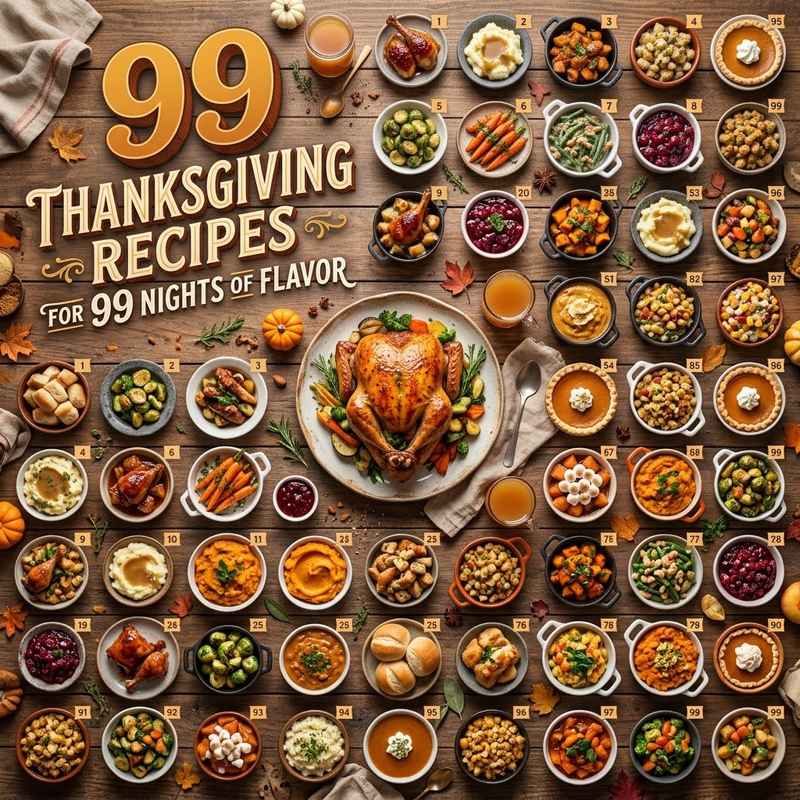
99 Thanksgiving Recipes for 99 Nights of Flavor
Thanksgiving is a time for gathering, gratitude, and of course, delicious food. But what if you want to extend that festive feasting beyond a single day? This post explores 99 Thanksgiving recipes that can carry you through nearly three months of cozy meals, offering a delightful way to savor the season and explore a world of comforting flavors. From classic poultry dishes to inventive side dishes and decadent desserts, these recipes are designed to be enjoyed, shared, and adapted, making your culinary journey through autumn and winter an unforgettable experience.
This collection of 99 Thanksgiving recipes provides a comprehensive guide to enjoying festive flavors for an extended period. It highlights a variety of dishes, from traditional favorites to modern twists, suitable for everyday meals and special occasions, ensuring variety and delight throughout autumn and winter.
Key Takeaways
- Discover a wide array of 99 Thanksgiving recipes designed for extended enjoyment beyond the holiday itself.
- Explore recipes categorized by main courses, side dishes, appetizers, and desserts, offering a complete meal solution.
- Find inspiration for both traditional Thanksgiving flavors and creative new takes on classic dishes.
- Learn how to adapt recipes for different dietary needs and occasions, ensuring everyone can enjoy the festive spread.
- This collection aims to make 99 Thanksgiving recipes accessible and enjoyable for everyday meals, not just the holiday.
What is Thanksgiving Cuisine?
Thanksgiving cuisine is fundamentally about abundance, comfort, and celebrating the harvest. It’s characterized by rich, savory flavors, hearty ingredients, and dishes that often evoke a sense of warmth and nostalgia. Core elements typically include roasted poultry, root vegetables, squashes, potatoes, cranberries, and pies, all seasoned with aromatic herbs like sage, thyme, and rosemary. This culinary tradition emphasizes shared meals, bringing family and friends together around a table laden with food.
The essence of Thanksgiving cooking lies in its seasonality. Recipes often feature ingredients at their peak during autumn, such as pumpkins, apples, sweet potatoes, and Brussels sprouts. This focus on fresh, seasonal produce is a hallmark of the cuisine. Beyond the specific ingredients, the act of preparing and sharing these dishes is central to the Thanksgiving experience, fostering connection and gratitude.
The evolution of Thanksgiving food reflects cultural influences and changing culinary trends. While certain dishes remain timeless staples, modern interpretations introduce new spices, techniques, and dietary considerations. This adaptability ensures that Thanksgiving cuisine continues to evolve, appealing to contemporary palates while respecting its traditional roots. The goal is always to create a memorable dining experience that nourishes both the body and the spirit.
Classic Thanksgiving Main Courses to Enjoy Year-Round
While the centerpiece of any Thanksgiving feast is often the turkey, the concept of a celebratory main course can extend far beyond a single day. These classic Thanksgiving main courses can be adapted for smaller gatherings or enjoyed as hearty weeknight meals, bringing festive flair to any occasion. The key is in the preparation and the accompanying flavors that define this beloved holiday meal.
We’ll explore a variety of poultry and non-poultry options, ensuring there’s something for every preference. From the traditional whole roasted turkey to comforting roasts and even elegant vegetarian alternatives, these mains are designed to be both impressive and accessible, making them perfect for your extended Thanksgiving celebration.
Here’s a look at some perennial favorites that form the backbone of a Thanksgiving menu:
- Whole Roasted Turkey: The undisputed star. Focus on brining for moisture and roasting with aromatic herbs and butter for a golden, crispy skin.
- Turkey Breast Roast: A more manageable option for smaller groups, often stuffed with herbs and breadcrumbs or glazed with maple syrup.
- Gravy: Essential for tying everything together. Made from turkey drippings, it’s a rich, savory sauce that elevates any dish.
- Glazed Ham: A popular alternative or addition, often studded with cloves and coated in a sweet, sticky glaze.
- Prime Rib Roast: For a truly decadent experience, a well-seasoned prime rib offers a luxurious alternative to poultry.
- Vegetarian Nut Loaf: A hearty and flavorful option for vegetarians, packed with nuts, grains, vegetables, and savory seasonings.
These main courses, when prepared with care, can transform any meal into a special occasion. Their rich flavors and satisfying textures are perfect for the cooler months, offering a consistent taste of Thanksgiving long after the holiday has passed. Consider scaling down recipes for weeknight dinners or using leftovers creatively in sandwiches or salads.
Delectable Side Dishes: The Heart of the Celebration
Thanksgiving side dishes are where much of the culinary creativity shines, offering a spectrum of textures, flavors, and colors. These essential components complement the main course and provide a diverse range of tastes that make the Thanksgiving meal so memorable. Extending these into your daily meals means you can enjoy a variety of comforting and delicious accompaniments throughout the year.
From creamy mashed potatoes to vibrant green vegetables and sweet, earthy root vegetables, the side dish selection is vast and varied. Many of these can be prepared ahead of time, making them perfect for busy weeknights or impromptu gatherings. Their versatility allows them to be paired with a range of mains, not just turkey.
Here are some categories and popular examples of Thanksgiving side dishes:
- Potato Dishes:
- Creamy Mashed Potatoes: A classic, best made with starchy potatoes and rich additions like butter, cream, or sour cream.
- Roasted Potatoes: Tossed with herbs, garlic, and olive oil, then roasted until crispy.
- Sweet Potato Casserole: Often topped with marshmallows or a pecan streusel, offering a sweet counterpoint.
- Vegetable Dishes:
- Green Bean Casserole: A beloved staple, typically made with cream of mushroom soup, green beans, and fried onions.
- Roasted Brussels Sprouts: Tossed with bacon, maple syrup, or balsamic glaze for a delightful caramelized flavor.
- Glazed Carrots: Sweet and tender, often cooked with butter and brown sugar.
- Creamed Spinach: A rich and savory classic that pairs well with almost anything.
- Stuffing/Dressing:
- Classic Bread Stuffing: Made with cubed bread, celery, onions, herbs, and broth.
- Cornbread Dressing: A Southern twist, using cornbread for a crumbly texture.
- Wild Rice Stuffing: A gluten-free option, often mixed with cranberries and nuts.
- Cranberry Creations:
- Cranberry Sauce: From simple homemade versions to more complex relishes with citrus and spices.
- Cranberry Orange Relish: A zesty and refreshing accompaniment.
When selecting sides to carry through your 99 nights, consider options that reheat well and offer a good balance of flavors and textures. Dishes with robust ingredients like root vegetables, grains, and hearty greens tend to hold up better over time and can be incorporated into other meals.
Appetizers to Kickstart Any Festive Meal
No meal is complete without a delightful array of appetizers to set the tone, and Thanksgiving is no exception. These starters, while often associated with the holiday meal, are perfect for entertaining, casual get-togethers, or even as light snacks throughout your extended Thanksgiving culinary journey. They provide an opportunity to whet the appetite with interesting flavors and textures.
From warm, comforting bites to fresh, vibrant options, these appetizers are designed to impress without overshadowing the main event. Many can be made in advance, reducing stress and allowing you to enjoy your guests – or simply your own company.
Consider these popular Thanksgiving-inspired appetizers:
- Cranberry Brie Bites: Puff pastry filled with creamy brie and a dollop of sweet cranberry sauce.
- Stuffed Mushrooms: Mushroom caps filled with a savory mixture of breadcrumbs, herbs, cheese, and sometimes sausage.
- Miniature Quiches: Individual quiches with various fillings like spinach, bacon, or Gruyere cheese.
- Charcuterie Board: A sophisticated spread of cheeses, cured meats, fruits, nuts, and crackers.
- Deviled Eggs: A timeless classic, often given a festive twist with paprika or chives.
- Warm Spinach Artichoke Dip: Creamy, cheesy, and served with baguette slices or tortilla chips.
- Prosciutto-Wrapped Asparagus: Simple yet elegant, combining salty prosciutto with tender asparagus.
- Pumpkin Hummus: A seasonal twist on a popular dip, often served with pita bread and vegetables.
These appetizers are great for bridging the gap between meals or for creating a small plate experience. Their portability and variety make them ideal for parties or for a cozy night in. They offer a chance to explore different flavor profiles before diving into heartier fare.
Sweet Endings: Desserts That Celebrate the Season
Thanksgiving desserts are legendary, often featuring warm spices, seasonal fruits, and rich, comforting textures. While pie is king, the realm of sweet endings extends far beyond, offering a delightful finale to any meal. These desserts are perfect for extending your festive indulgence, providing sweet treats for your 99 nights.
The magic of Thanksgiving desserts lies in their ability to evoke comfort and nostalgia. Think cinnamon, nutmeg, cloves, and the sweetness of baked apples and pumpkins. These flavors are inherently cozy and perfect for the cooler months.
Here’s a selection of classic and inventive Thanksgiving desserts:
- Pumpkin Pie: The quintessential Thanksgiving dessert, smooth, spiced, and usually served with whipped cream.
- Pecan Pie: Rich, gooey, and nutty, often made with a buttery crust.
- Apple Pie: A timeless favorite, featuring tender baked apples seasoned with cinnamon and nutmeg.
- Sweet Potato Pie: Similar to pumpkin pie but with a distinct, slightly sweeter flavor profile.
- Cranberry Crumble: A warm, comforting dessert with a tart cranberry filling and a buttery streusel topping.
- Cheesecake: Often flavored with pumpkin or caramel, offering a creamy, decadent option.
- Bread Pudding: A comforting dessert made from stale bread, custard, and often infused with spices or fruit.
- Apple Crisp: Similar to apple pie but with a crumbly oat and spice topping.
When planning for your extended Thanksgiving menu, consider desserts that can be made ahead and enjoyed over several days. Pies, crisps, and bread puddings often taste even better the next day as the flavors meld. Mini versions are also excellent for portion control and variety.
Creative Twists on Traditional Flavors
While traditions are cherished, there’s always room for innovation. These creative twists on classic Thanksgiving recipes breathe new life into familiar dishes, offering exciting flavor combinations and modern presentations. They are perfect for those looking to add a unique touch to their extended holiday feasting.
This section explores how to reimagine common Thanksgiving ingredients and preparations to create something fresh and unexpected, ensuring your 99 nights are filled with delightful surprises.
Here are some inventive approaches to classic Thanksgiving dishes:
- Spicy Maple Glazed Turkey: Infuse your turkey with a kick by adding chipotle peppers or sriracha to a maple glaze.
- Bacon-Wrapped Asparagus Bundles: Elevate simple roasted asparagus by wrapping it in crispy bacon.
- Cranberry-Jalapeño Salsa: A sweet and spicy salsa that’s a surprising twist on traditional cranberry sauce.
- Sweet Potato Gnocchi with Sage Brown Butter: A sophisticated take on sweet potatoes, offering an Italian-inspired delight.
- Gorgonzola and Walnut Stuffing: Add a pungent cheese and nutty crunch to your stuffing for a more complex flavor.
- Deconstructed Apple Pie Bites: Individual servings of apple pie filling topped with cinnamon streusel, offering a lighter, modern presentation.
- Bourbon Pecan Pie Brownies: Combine the rich flavors of bourbon pecan pie with the indulgent texture of brownies.
- Smoked Gouda Mac and Cheese: Upgrade your mac and cheese with the smoky, complex flavor of Gouda.
These variations encourage experimentation and can be adapted to personal taste. They are excellent for impressing guests or simply for adding a bit of excitement to your everyday meals during your extended Thanksgiving celebration. The goal is to maintain the comforting essence of Thanksgiving while introducing novel culinary experiences.
Dietary Adaptations for Inclusive Feasting
Ensuring that everyone can partake in the joy of Thanksgiving cuisine is paramount, and adapting recipes to accommodate various dietary needs is key to inclusive feasting. Whether you’re catering to vegetarians, vegans, gluten-free eaters, or those with other restrictions, these adaptations ensure that your extended Thanksgiving menu is enjoyable for all.
The beauty of these 99 Thanksgiving recipes is their inherent flexibility. Many can be modified with simple ingredient swaps or by preparing separate versions. This section focuses on practical strategies to make traditional dishes more accessible.
Here’s a guide to common dietary adaptations:
Vegetarian and Vegan Adaptations
- Mains: Replace turkey with a hearty lentil shepherd’s pie, mushroom Wellington, or a stuffed squash. Nut roasts are also excellent vegan options.
- Sides: Ensure side dishes like stuffing or mashed potatoes are made without meat broth or dairy. Use vegetable broth and plant-based milk/butter.
- Gravy: Create a rich vegan gravy using mushroom broth, vegetable drippings, and thickened with a roux or cornstarch.
- Desserts: Use vegan butter, plant-based milk, and egg substitutes (like flax eggs or applesauce) in pies and crumbles.
Gluten-Free Adaptations
- Stuffing: Use gluten-free bread or cornbread for stuffing. Alternatively, opt for wild rice stuffing or a quinoa-based pilaf.
- Gravy: Thicken gravy with cornstarch or a gluten-free flour blend instead of wheat flour.
- Pies: Prepare pie crusts using gluten-free flour blends. Many crumbles and crisps are naturally gluten-free if made with oat or nut toppings.
- Casseroles: Check the ingredients of canned soups and fried onion toppings for gluten. Opt for homemade versions or gluten-free alternatives.
Other Considerations
- Dairy-Free: Substitute dairy milk, butter, and cheese with plant-based alternatives. Coconut cream or cashew cream can add richness to sauces and desserts.
- Nut Allergies: For nut-free versions, omit nuts from stuffing, pies, and toppings. Use seeds like pumpkin or sunflower seeds as alternatives.
By thoughtfully incorporating these adaptations, your 99 Thanksgiving recipes can truly cater to everyone, fostering a sense of togetherness and shared enjoyment.
Creating a Balanced Extended Thanksgiving Menu
Planning your culinary journey through 99 Thanksgiving recipes involves more than just selecting individual dishes; it’s about curating a balanced and enjoyable menu that sustains interest and variety. The goal is to avoid monotony while ensuring that each meal feels special, even if it’s a weeknight dinner.
A balanced menu considers flavor profiles, textures, nutritional content, and preparation time. This approach ensures that your extended Thanksgiving feasting remains exciting and satisfying, rather than overwhelming.
Here’s a framework for building your balanced extended Thanksgiving menu:
| Menu Component | Focus | Considerations for Extended Feasting |
|---|---|---|
| Main Course | Protein or hearty centerpiece | Rotate poultry, roasts, vegetarian options. Utilize leftovers creatively. Plan for smaller portions on weeknights. |
| Side Dishes (2-3) | Variety of vegetables, starches, and grains | Balance creamy/rich sides with lighter/vegetable-focused ones. Focus on sides that reheat well or can be part of other meals (e.g., mashed potatoes in a shepherd’s pie). |
| Appetizer/Soup | Light starter | Include options that can be made ahead, like dips or mini quiches. Soups are excellent for warming up and can be portioned easily. |
| Dessert | Sweet finale | Offer a mix of pies, crumbles, and lighter options. Focus on desserts that keep well or can be enjoyed in smaller portions. |
| Beverages | Complementary drinks | Consider mulled cider, festive punches, or a selection of wines and craft beers. Non-alcoholic options are equally important. |
This structured approach helps ensure that your extended Thanksgiving celebration remains fresh and exciting, offering a delightful culinary experience night after night.
Tips for Storing and Reheating Thanksgiving Leftovers
Maximizing the enjoyment of your 99 Thanksgiving recipes extends to how you store and reheat leftovers. Proper handling ensures food safety and maintains the delicious quality of your festive meals, making every encore serving as enjoyable as the first. This is crucial for making those delicious dishes last.
From elaborate roasts to delicate desserts, each component requires specific attention to preserve its integrity. Understanding these methods will help you savor every last bite without compromising taste or texture.
Here are some essential tips for storing and reheating:
Tip: Cool all food thoroughly before refrigerating. Do not leave cooked food at room temperature for more than two hours to prevent bacterial growth.
- Storage Containers: Use airtight containers to prevent spoilage and odor absorption. Glass or BPA-free plastic containers are ideal.
- Portioning: Store leftovers in meal-sized portions to make reheating easier and quicker. This also helps control portion sizes for subsequent meals.
- Refrigerator Storage: Most cooked leftovers can be safely stored in the refrigerator for 3-4 days.
- Freezing: For longer storage, freeze leftovers. Pack them in freezer-safe bags or containers, removing as much air as possible. Label with contents and date. Turkey, stuffing, mashed potatoes, and many pies freeze well.
Reheating Methods
- Oven Reheating: This is often the best method for maintaining texture, especially for roasted meats and casseroles. Reheat at a moderate temperature (around 325-350°F or 160-175°C), covering with foil if needed to prevent drying.
- Stovetop: Ideal for gravies, soups, sauces, and reheating smaller portions of sides like mashed potatoes or vegetables. Stir frequently and heat gently.
- Microwave: The quickest method, suitable for many dishes, though it can sometimes affect texture. Ensure even heating by stirring halfway through.
- Air Fryer: Excellent for reheating crispy items like fried onions or even roasted vegetables, helping them regain their crispness.
Important: Never reheat food more than once. Ensure all reheated food is heated thoroughly to an internal temperature of 165°F (74°C) to kill any bacteria.
By following these storage and reheating guidelines, you can enjoy the delicious flavors of your extended Thanksgiving celebration for weeks to come.
Frequently Asked Questions
What are the most popular Thanksgiving main dishes?
The most popular Thanksgiving main dishes consistently include roasted turkey, often served with gravy. Other favorites include glazed ham, prime rib roast, and for vegetarian or vegan diners, hearty nut roasts or stuffed squashes are increasingly popular choices.
How far in advance can Thanksgiving side dishes be prepared?
Many Thanksgiving side dishes can be prepared 1-2 days in advance. Dishes like casseroles, stuffing (unbaked), and cranberry sauce are good candidates. Vegetables can be chopped, and components like mashed potatoes can be made and reheated.
Are there any Thanksgiving recipes that are naturally gluten-free?
Yes, many Thanksgiving recipes can be naturally gluten-free or easily adapted. Roasted vegetables, sweet potato casseroles (without a crust or with a gluten-free topping), cranberry sauce, and certain types of stuffing made with wild rice or quinoa are excellent examples.
How can I make my Thanksgiving desserts last longer?
Most pies, especially fruit pies and pecan pies, can be stored at room temperature for up to two days if they don’t contain cream cheese or custard. Refrigerate cream-based pies and cheesecakes. Bread puddings also freeze well. For crisp toppings, store separately and add just before serving to maintain crispness.
What are some lighter Thanksgiving recipe options?
Lighter options include roasted turkey breast without skin, numerous vegetable-focused sides like roasted Brussels sprouts or steamed green beans, large salads with seasonal fruits and nuts, and lighter desserts like baked apples or fruit crisps. Focus on lean proteins and fresh produce.
Final Thoughts
Embracing 99 Thanksgiving recipes offers a delightful opportunity to extend the warmth and flavor of the holiday season for nearly three months. By exploring a variety of mains, sides, appetizers, and desserts, and considering dietary adaptations and smart storage, you can transform everyday meals into festive celebrations. This culinary journey ensures that the spirit of Thanksgiving—gratitude, togetherness, and delicious comfort food—can be savored throughout the autumn and winter months.