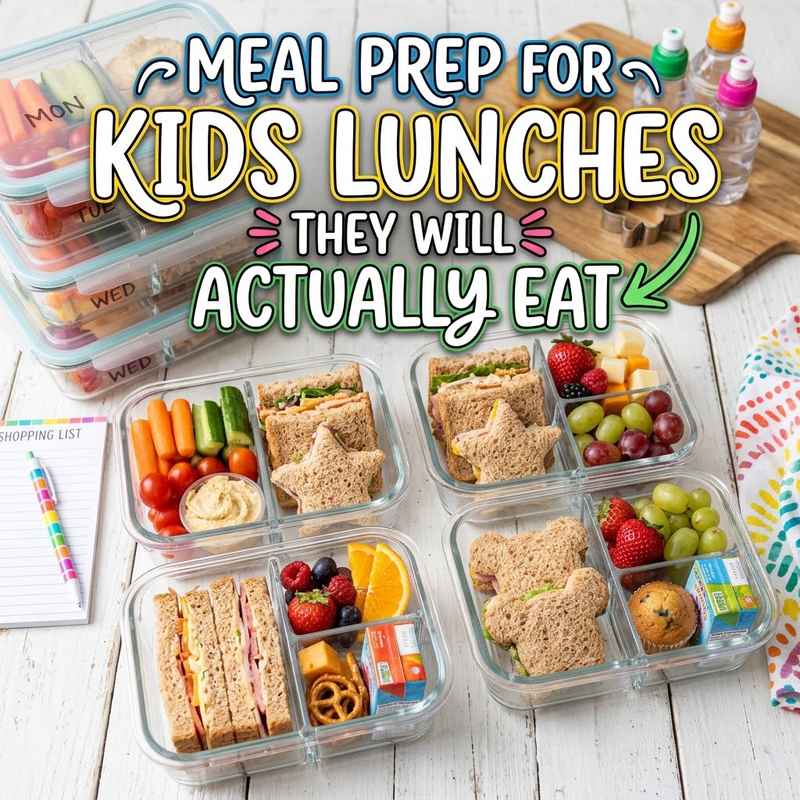
Meal Prep For Kids Lunches They Will Actually Eat
Creating school lunches that kids will eat consistently requires a blend of understanding their preferences, making food fun, and simple planning. It’s about finding what works for your child and your schedule, leading to less waste and happier mealtimes.
The Lunchtime Challenge: More Than Just Food
We’ve all been there. The carefully packed sandwich, cut into fun shapes, comes back untouched. The healthy snacks are still in their wrappers.
It’s frustrating, right? You’re trying your best. You spend time and money.
And yet, the goal of a happy, well-fed child at lunchtime feels miles away.
This isn’t just about picky eaters. It’s about kids’ changing tastes. It’s about what’s cool at school.
It’s about simple hunger levels. Sometimes, a food they loved last week is a big no-no today. Understanding these little quirks is the first step.
It helps us move past the frustration.
What if I told you that making lunch exciting, and less of a chore for you, is totally possible? It takes a few smart strategies. We’ll look at how to involve kids.
We’ll find foods that travel well. We’ll talk about making it fun, not just filling.
This journey is about more than just filling a lunchbox. It’s about teaching kids good eating habits. It’s about their energy for the day.
It’s about saving you time and stress. Let’s break down how to make meal prep for kids lunches a win for everyone.

Why Lunchbox Battles Happen
Kids are funny. What they like can change in a heartbeat. One day, they’ll devour carrots.
The next day, carrots are the enemy. Several things make lunch tricky for them. Their taste buds are still growing.
They also pick up on what their friends are eating. Social pressure is real, even at lunch.
School environments play a role too. Kids might be rushed. They might be distracted.
They might just not be that hungry at lunchtime. Or maybe the food just looks… well, boring. We often pack things we think are healthy.
But if it doesn’t look appealing, they might skip it.
Sometimes, the texture is the issue. Some kids hate mushy foods. Others dislike crunchy things.
Presentation matters. A sandwich can look very different if it’s sliced neatly or if it’s a bit smooshed. Even the temperature can be a factor.
Warm food can seem unappealing if it’s not meant to be.
And let’s not forget the sheer variety. A lunchbox might have five different items. That can feel overwhelming.
They might just stick to one or two things they know they like. This is where smart planning comes in. We can work with these challenges.
Understanding Your Child’s Lunch Preferences
What they like: Talk to your child. Ask what they enjoy. Make a list together.
What they don’t like: Just as important! Know their no-gos.
Textures: Do they prefer crunchy, soft, chewy?
Flavors: Sweet, savory, mild?
Presentation: Do they like food separated? Mixed?
The Power of Involving Kids in Meal Prep
This is a game-changer. When kids help pick their lunch, they are more likely to eat it. It gives them ownership.
Think of it like a mini-project they get to lead. This isn’t about letting them eat junk. It’s about giving them choices within healthy boundaries.
Start small. Ask them to pick two main items. Or let them choose a fruit and a veggie.
They can also help pack. Washing berries. Putting crackers in a container.
Spreading cream cheese on a bagel. These are all simple tasks that build engagement.
Make it a weekly routine. Sit down on Sunday. Look at the week ahead.
What days have activities? What days are they home early? Plan lunches around this.
Kids can help brainstorm ideas. They can even draw their dream lunch. This makes it fun.
I remember my niece, Lily. She was so picky. We started a “Lunch Box Design” session.
She drew what she wanted. Then we found ways to make those ideas healthy. She wanted “smiley face sandwiches.” So we used cookie cutters.
She loved choosing the cheese “eyes.” It worked wonders.
Kid-Friendly Lunch Components Checklist
Proteins: Deli turkey slices, chicken nuggets (cold), hard-boiled eggs, cheese sticks, edamame, hummus.
Grains: Crackers, pretzels, mini bagels, pasta salad, rice cakes, whole-wheat pita bread.
Fruits: Berries, apple slices, orange segments, grapes (cut in half for younger kids), melon chunks.
Veggies: Carrot sticks, cucumber slices, bell pepper strips, cherry tomatoes (halved), snap peas.
Treats (in moderation): Fruit snacks, small cookies, yogurt tubes.
Smart Strategies for Busy Parents
Time is precious. We get it. You don’t need to spend hours each morning.
The secret is doing some prep work ahead of time. This is where meal prep for kids lunches truly shines. Think of it as setting yourself up for success.
What can you do on a Sunday or Monday evening? Chop veggies. Cook a batch of chicken.
Make mini muffins. Portion out snacks. Having these things ready makes weekday mornings so much easier.
You can just assemble.
Think about “deconstructed” lunches. Instead of a sandwich, pack the bread, meat, and cheese separately. Kids can build their own.
This keeps bread from getting soggy. It also offers variety. They might eat the components even if they won’t eat a pre-made sandwich.
Use good containers. Bento boxes are fantastic. They keep foods separate.
They make lunches look neat and organized. They can also add a bit of fun with different compartments. Think about things that travel well.
Avoid anything too messy.
Consider temperature. Some kids like cold lunches. Others prefer warm.
A good thermos can keep soups or pasta warm. For cold lunches, insulated lunch bags with ice packs are essential.
Sunday Prep Session: What to Make Ahead
Cook Grains: Quinoa, rice, or pasta for pasta salads.
Bake: Mini muffins, energy bites, or cookies.
Roast Veggies: Broccoli, sweet potatoes, or carrots.
Hard-Boil Eggs: A quick protein boost.
Portion Snacks: Trail mix, popcorn, or crackers.
Wash & Chop Produce: Berries, grapes, carrots, bell peppers.
Making Lunches Fun and Appealing
Food doesn’t just have to taste good. It should look good too! This is where creativity comes in.
Little touches can make a big difference for kids. It transforms a boring meal into something exciting.
Cookie cutters are your best friend. Use them on sandwiches, cheese slices, or even fruit like melon. Stars, hearts, animals – the options are endless.
It takes seconds but adds a lot of appeal.
Skewers are fun. Thread grapes, cheese cubes, and pieces of cooked chicken onto small skewers. These mini kebabs are engaging.
Just be mindful of the skewer tips for younger children.
Colorful foods are naturally more attractive. Pack a variety of colors. Red strawberries, orange carrots, yellow peppers, green grapes, blue blueberries, purple grapes.
It looks like a rainbow!
Little notes can also brighten a lunchbox. A simple “I love you!” or a funny joke can make your child smile. It shows them you’re thinking of them even when you’re apart.
I once packed a “sandwich sushi” for my son. I spread cream cheese on a tortilla. Added turkey and spinach.
Rolled it up tight. Then sliced it into pinwheels. He thought it was the coolest thing!
He ate every bite.
Creative Lunch Presentation Ideas
Shape Cutters: For sandwiches, cheese, fruit, and veggies.
Mini Skewers: Fruit, cheese, and meat combinations.
“Lunchables” Style: Separate compartments for crackers, cheese, meat, fruit.
Fun Names: “Dragon Bites” for chicken nuggets, “Fairy Wands” for veggie sticks.
Colorful Food: Focus on a rainbow of fruits and vegetables.
Dip It: Hummus, ranch, or yogurt dips for veggies and crackers.
Dealing with Picky Eaters
This is probably the biggest hurdle for many parents. Picky eating is common. It can be frustrating.
But there are ways to navigate it. The key is patience and consistency. You can’t force a child to eat.
But you can create opportunities for them to try new things.
Start with familiar foods. If they like cheese, find cheese they’ll eat. If they like crackers, pack those.
Then, introduce a new food alongside something they love. Put just one or two bites of the new food there. No pressure to eat it.
Deconstruct meals. Instead of a mixed-up casserole, serve the components separately. This allows them to pick and choose.
They might try the chicken on its own. Or the rice. Or the peas.
Offer choices. “Would you like apple slices or orange segments today?” This gives them a sense of control. It’s a small choice, but it can be empowering for a picky eater.
Make food fun. As we talked about, shapes and colors help. Sometimes, a fun name can make a food more approachable.
“Monster broccoli” might be more appealing than plain broccoli.
Don’t give up. It can take many tries for a child to accept a new food. Sometimes it’s 10-15 exposures.
Keep offering it. Keep it low-pressure. Celebrate small wins, like touching a new food or taking a tiny bite.
Picky Eater Strategies That Work
Small Portions of New Foods: Introduce new items in tiny amounts.
Pair with Favorites: Always include at least one preferred food.
No Pressure: Never force or bribe them to eat.
Repeated Exposure: Keep offering without expectation.
Deconstruct Meals: Serve ingredients separately.
Get Them Involved: Let them help prepare or choose.
Balancing Nutrition and Kid Appeal
This is the core of successful lunch prep. How do you make it healthy and something they will actually eat? It’s a balance.
You don’t want to pack only junk. But you also don’t want to pack food that comes home uneaten.
Focus on the “bento box” approach. Aim for a mix of food groups. Include a protein for energy.
Some whole grains for sustained fuel. Fruits and veggies for vitamins. And a small treat if you like.
Think about variety throughout the week. Don’t pack the same sandwich every day. Rotate proteins.
Rotate fruits. Rotate veggies. This ensures they get a wider range of nutrients.
It also keeps things interesting for them.
Hidden veggies can be a great tool. Pureed carrots or zucchini can go into muffins or pancakes. Finely chopped spinach can be mixed into meatballs.
It’s a way to boost nutrition without them necessarily noticing.
Read labels. Look for options with less added sugar and salt. Choose whole-grain versions of bread and crackers when possible.
Even small swaps add up.
It’s also about moderation. A few cookies or a small bag of chips won’t hurt. The overall diet is what matters.
Aim for balance. Make the majority of the lunch nutritious and appealing.
Building a Balanced Lunchbox
Lean Protein: Chicken, turkey, eggs, beans, tofu, cheese.
Whole Grains: Whole-wheat bread, pasta, crackers, brown rice.
Fruits: Fresh or dried, a variety of colors.
Vegetables: Raw, cooked, or pureed.
Healthy Fats: Avocado, nuts (if allowed), seeds.
Occasional Treat: Small portion of something special.
Practical Meal Prep Ideas for Different Ages
What works for a kindergartner might not work for a teenager. Let’s break it down by age.
Preschoolers (Ages 3-5): They need easy-to-eat foods. Small portions. Things they can pick up with their fingers.
Cut sandwiches into quarters. Offer yogurt tubes. Small fruit pieces.
Mini muffins are perfect. Avoid choking hazards like whole grapes or nuts.
Early Elementary (Ages 6-8): They can handle a bit more variety. They might like building their own lunch. Think “DIY” lunchables.
Pasta salads are often a hit. Wraps are easy to eat. They can help pack their own bags.
Late Elementary/Middle School (Ages 9-13): They have stronger opinions! They might be influenced by friends. They may want foods that feel more grown-up.
Think mini quesadillas, chicken drumettes, or more complex wraps. They can take on more responsibility for packing their own lunch.
Teenagers (Ages 14+): They might prefer to pack their own lunch entirely. Or they might still need some structure. They often have larger appetites.
Think hearty sandwiches, leftovers from dinner, or even salads. Sometimes, they just want food they can grab and go quickly.
The key is adapting. As kids grow, their needs and preferences change. Regularly check in with them.
Ask what’s working and what’s not.
Age-Appropriate Lunch Box Ideas
Preschoolers: Fruit pouches, cheese cubes, mini sandwiches, veggie sticks, crackers.
Elementary: Wraps, pasta salad, hard-boiled eggs, fruit salad, mini pizzas.
Middle School: Cold chicken tenders, veggie wraps, thermos of soup, bento boxes with variety.
Teens: Leftovers, hearty sandwiches, large salads, protein bars, “grab-and-go” options.
What to Avoid in Kids’ Lunches
Some foods are best left out of the lunchbox. Or at least, packed with caution. This is for safety and for making sure the food is actually eaten.
Perishable Foods Without Ice Packs: This is a big one for food safety. Mayonnaise-based salads, dairy products, and cooked meats can spoil quickly if not kept cold. Always use an insulated lunch bag and an ice pack.
Foods That Get Soggy Quickly: Things like delicate salads with dressing mixed in, or thin-skinned sandwiches that sit too long, can become unappetizing.
Choking Hazards: For younger children, avoid whole grapes, large chunks of raw vegetables, popcorn, and whole nuts. Always cut food into small, manageable pieces.
Messy Foods: Think about foods that are difficult to eat cleanly. Drippy sauces, crumbly items, or anything that requires a lot of attention to eat can be a challenge at school.
Foods Your Child Actively Dislikes: It sounds obvious, but sometimes we pack things hoping they’ll change their mind. If they’ve rejected it multiple times, it’s probably not going to be eaten.
Too Many Sugary Items: While a small treat is fine, a lunch packed with candy, cookies, and sugary drinks will lead to energy crashes and isn’t good for their overall health.
Lunchbox Pitfalls to Avoid
Spoilage Risk: Foods left unrefrigerated for too long.
Soggy Sandwiches: When moisture makes bread unappealing.
Choking Dangers: Foods that are too large or hard for young kids.
Excessive Mess: Foods that are hard to eat without making a mess.
Strong Dislikes: Foods the child consistently refuses to eat.
High Sugar Load: Too many sweet treats, not enough nutrition.
When to Seek Professional Advice
While we’re talking about making lunches, it’s important to know when bigger issues might be at play. If your child’s picky eating is extreme, or if they are not growing well, it’s a good idea to talk to a professional.
A pediatrician can assess your child’s growth and development. They can rule out any underlying medical conditions that might affect eating. They can also offer guidance tailored to your child’s specific needs.
Registered dietitians are also excellent resources. They can help create balanced meal plans. They can work with you to introduce new foods and overcome extreme pickiness.
They have lots of experience with these challenges.
Sometimes, issues with eating can be related to sensory processing. In these cases, an occupational therapist specializing in feeding therapy can be very helpful. They can help children overcome sensitivities to textures, smells, or tastes.
Don’t hesitate to reach out if you have concerns. Your child’s health and well-being are paramount. A professional can provide support and strategies that you might not have considered.
It’s a sign of good parenting to seek help when you need it.
Making Lunch Prep a Family Affair
This isn’t just your job! Turning lunch prep into a family activity can make it more enjoyable for everyone. It teaches kids valuable life skills.
They learn about food, planning, and responsibility.
Set up a “lunch station.” Have all the containers, utensils, and food items laid out. Let kids come and assemble their own lunches. They can choose their fruit, their veggie, their protein.
Even younger kids can help put items into their lunchbox.
Older kids can take on more. They might be in charge of making their own sandwiches or wraps. They could prepare their own snacks.
This builds independence.
Make it fun! Play music. Tell stories.
Chat about their day or the week ahead. It doesn’t have to be a chore. It can be quality family time.
I know a family that has “Wrap Wednesday.” Every Wednesday, the kids help make their own wraps for lunch. They get to choose their fillings. It’s become a fun, anticipated tradition.
Tips for Quick Assembly on School Mornings
Even with prep, mornings can be hectic. Here are ways to streamline assembly:
Pre-Portioned Snacks: Have bags of crackers, fruit slices, or veggie sticks ready.
Component Prep: Cooked chicken, hard-boiled eggs, chopped veggies from your Sunday prep session.
Easy Proteins: Cheese sticks, deli meat roll-ups, pre-cooked chicken strips.
Grab-and-Go Fruits: Bananas, apples, clementines are perfect.
Reusable Containers: Have enough ready to go for the week.
The “Buffer” Food: Always have a backup food item they reliably eat, just in case everything else feels “off” that day.
The goal is to make the final assembly take just a few minutes. Everything should be ready to grab and put into the lunchbox.
FAQs About Kids’ Lunches
How do I make sure my child’s lunch stays fresh and safe?
Use an insulated lunch bag with an ice pack. Pack perishable items like dairy and meats close to the ice pack. Foods like cut fruits and veggies are generally safe for a few hours without refrigeration, but cooler is always better.
What if my child only eats a few things?
Start by incorporating one new food item alongside their favorites. Offer small portions. Repeated exposure without pressure is key.
You can also try “hiding” healthy ingredients in foods they already love, like pureed veggies in muffins.
Should I pack sweets in my child’s lunch?
A small treat in moderation is usually fine. The focus should be on nutritious foods. Too many sweets can lead to energy crashes and unhealthy habits.
Consider a small cookie or a piece of fruit for dessert.
What are good protein sources for kids’ lunches?
Excellent sources include hard-boiled eggs, chicken or turkey slices, cheese sticks, hummus, beans (like chickpeas or black beans), edamame, and nut butters (if school policies allow and no allergies are present).
My child complains their lunch is boring. How can I make it exciting?
Get creative with presentation! Use cookie cutters for sandwiches and cheese. Pack colorful fruits and veggies.
Try deconstructed “lunchables” style meals. Add a fun note or a joke. Sometimes, giving lunches fun names can help too.
What should I do if my child throws away their lunch?
This is frustrating! First, talk to your child about why they are not eating it. Is it too much food?
Do they dislike the taste or texture? Are they bored? Involve them in planning and packing to give them ownership.
Ensure you are packing foods they actually like and are easy to eat.
Final Thoughts on Lunch Prep Success
Creating appealing and nutritious lunches for your kids doesn’t have to be a daily battle. By involving them, prepping ahead, and adding a little fun, you can make meal prep for kids lunches a smooth and successful part of your routine. Remember, patience and consistency are key.
Celebrate the small wins, and don’t be afraid to try new things!